Discover the latest pickleball paddle technology, core materials, and performance features. Learn how innovative designs enhance control, power, and spin for competitive play. Make informed choices for your game.
Key Takeaways
- Core Technology Evolution: Modern paddles feature innovative core designs like polymer honeycomb and specialized foam systems, directly impacting ball response and energy transfer efficiency.
- Material Advancements: Cutting-edge materials including carbon fiber faces, graphite composites, and thermoformed edges enhance durability while optimizing weight distribution for better handling.
- Performance Triad: Technological breakthroughs simultaneously elevate power through kinetic energy transfer, control via vibration dampening systems, and spin through engineered surface textures.
- Competitive Adaptation: Leading manufacturers tailor paddle characteristics to specific playstyles, with features like elongated shapes for reach or wide bodies for sweet spot expansion.
- Informed Selection Framework: Evaluating core composition (e.g., polypropylene vs. Nomex), weight range (7.3-8.5 oz), grip size, and surface roughness provides objective criteria for paddle matching.
| Performance Factor | Technological Solution | Player Benefit |
|---|---|---|
| Power Transfer | Reactive polymer cores | Explosive shot acceleration |
| Control Precision | Perimeter weighting systems | Consistent directional accuracy |
| Spin Generation | Sandpaper-textured surfaces | Enhanced ball rotation |
| Vibration Dampening | Elastomer edge guards | Reduced arm fatigue |
Cutting-Edge Pickleball Paddle Core Technology
The core is the engine of a pickleball paddle, fundamentally dictating its feel and performance. Modern advancements have moved far beyond basic polymer honeycombs, introducing sophisticated variations tailored for specific playing styles. Technologies like variable core thickness strategically distribute density, allowing manufacturers to fine-tune the flex and responsiveness across different areas of the paddle face. Furthermore, new polymer blends and multi-layered core constructions are emerging, designed to absorb unwanted vibration more effectively while optimizing energy return. This translates directly to a more consistent and comfortable feel upon ball impact, crucial for precision shots during extended rallies.
“The core’s composition and structure are paramount. They dictate the paddle’s inherent power potential, its touch sensitivity, and how effectively it mitigates harsh vibrations, impacting player comfort and control significantly,” explains a leading paddle design engineer.
These advanced cores work synergistically with surface materials and edge guards, but their internal engineering sets the baseline performance characteristics. Innovations here focus on achieving a superior balance: cores that provide sufficient power without sacrificing the delicate touch needed for dinks and drops, all while maintaining a controlled, stable feel. Understanding these core developments is essential, as they form the foundation upon which other performance features like spin textures and aerodynamic shapes are built. The quest for the perfect core continues, driving research into new materials and geometries beneath the paddle’s surface.
Core Materials Revolutionizing Paddle Design
The fundamental shift in pickleball paddle performance stems directly from innovations in core materials, moving far beyond the simple wood or early polymer composites. Modern cores are engineered for specific play characteristics, dictating the paddle’s overall feel and capability. Polymer honeycomb remains dominant, prized for its consistent response and controllable power. Variations in cell size and polymer formulation allow manufacturers to fine-tune this balance; smaller, denser cells typically offer enhanced control, while larger cells increase power potential. Composite cores incorporating materials like Nomex, known for its stiffness and power transfer, or aluminum honeycomb, providing a distinct crisp feel and durability, offer players specialized options. Furthermore, advancements involve layering different core materials or introducing foam injection techniques around the perimeter. These hybrid approaches aim to optimize the sweet spot, dampen unwanted vibrations for greater comfort, and enhance structural integrity without adding excessive weight. The strategic selection and manipulation of these core materials provide the critical foundation upon which surface technologies and shape innovations build, enabling paddles tailored to diverse playing styles.
Maximizing Power with Modern Paddle Tech
Achieving significant power in pickleball relies heavily on advancements in core construction and surface technology. Modern paddles leverage sophisticated polymer honeycomb cores, particularly variations like Nomex and polypropylene, engineered specifically to maximize energy transfer upon ball impact. These cores compress efficiently upon contact, storing and releasing kinetic energy explosively. Simultaneously, the surface materials play a crucial role; rigid carbon fiber or fiberglass faces provide minimal deflection, ensuring more force is directed back into the ball rather than being absorbed by the paddle itself. Designers also optimize swing weight distribution through strategic placement of heavier materials towards the top or perimeter of the paddle head, enhancing momentum during the swing without sacrificing excessive maneuverability. Furthermore, aerodynamic frame shapes reduce drag, allowing players to generate higher swing speeds more comfortably. This combination of reactive core materials, stiff hitting surfaces, intelligent weight distribution, and streamlined designs creates paddles capable of delivering formidable power essential for aggressive drives and put-away shots. Understanding these technological elements helps players select equipment aligned with a power-focused playing style.
Enhancing Control Features in Modern Paddles
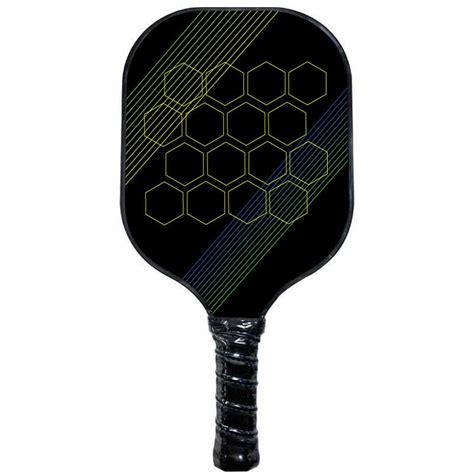
While power is essential, precise control remains paramount for strategic shot placement and defensive play. Modern paddle technology significantly enhances this crucial aspect through deliberate design choices. Key among these is the evolution of surface textures. Advanced polymer compounds and specialized grit patterns applied to the face increase friction between ball and paddle, offering players greater command over the ball’s direction and depth, particularly on soft shots like dinks and drops. Furthermore, optimized weight distribution plays a critical role. Paddles featuring a balanced or slightly head-light configuration improve maneuverability and allow for quicker reactions at the net, granting players finer touch and feel. Complementing this, ergonomic grip shapes and sizes, often incorporating cushioned or moisture-wicking materials, ensure a secure and comfortable hold, minimizing slippage and maximizing confidence during delicate touch shots. These combined innovations in surface science, balance engineering, and handle design work synergistically to provide players with the refined control needed for competitive consistency.
Spin Technology Advancements Explained
Modern pickleball paddle design places significant emphasis on enhancing spin potential, recognizing its crucial role in advanced shot-making and point control. Key advancements focus on refining the paddle’s surface interaction with the ball. Manufacturers are innovating with sophisticated surface textures that grip the ball more effectively upon contact. This is achieved not just through rougher finishes, but also via precisely engineered patterns etched into the paddle face, designed to maximize friction without compromising durability or violating official rules. Complementing these surface technologies, the development of specialized polymer cores plays a vital role. These cores are engineered to offer a softer, more responsive feel upon ball impact, allowing the paddle face to stay engaged with the ball slightly longer. This extended dwell time, combined with the advanced surface grip, significantly increases the paddle’s ability to impart spin, giving players greater command over shot placement, trajectory, and the ability to generate deceptive shots that challenge opponents.
Performance Features for Competitive Play
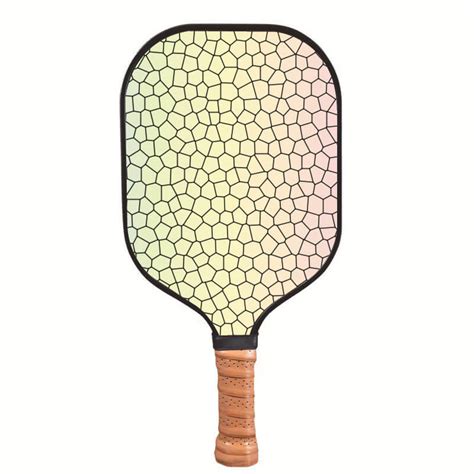
Competitive pickleball demands paddles engineered for precision, responsiveness, and adaptability under pressure. Consequently, the features discussed – power generation, enhanced control, and advanced spin technology – converge to define tournament-grade performance. The optimal weight distribution, typically between 7.8 to 8.5 ounces, becomes critical, influencing swing speed and maneuverability during rapid exchanges at the net. Furthermore, a paddle’s balance point significantly impacts stability on volleys and blocks, allowing players to handle hard-driven shots effectively without sacrificing touch on delicate dinks. The surface texture, governed by USAPA regulations, directly affects bite on the ball, enabling greater shot precision and the ability to execute sharp angles or deceptive drop shots. Ultimately, competitive players prioritize paddles offering a harmonious blend of these attributes, ensuring consistent performance and the tactical flexibility needed to react instantly to an opponent’s strategy during dynamic gameplay.
Choosing Your Perfect Pickleball Paddle
Selecting the ideal paddle hinges on understanding how the latest core materials and surface technologies align with your individual playing style and physical attributes. Weight is a primary consideration; lighter paddles (7.3-7.8 oz) enhance maneuverability and reaction speed at the net, while heavier options (8.1-8.5 oz) inherently generate more power behind groundstrokes and drives, though they may cause fatigue during extended play. Grip size significantly impacts comfort and wrist action; a grip too large restricts spin generation and quick adjustments, whereas one too small can lead to over-gripping and strain. Furthermore, the paddle’s shape – whether traditional, elongated, or wider-bodied – influences the sweet spot size and overall reach, affecting both control and power potential. Therefore, evaluating your dominant style (power hitter, finesse player, or balanced all-court), strength, and any existing arm sensitivity is crucial before leveraging the advancements in polymer cores, textured surfaces, and edge guard designs. Pro players often recommend demoing different combinations to feel how core dampening affects touch on dinks or how surface roughness translates to spin during serves.
Conclusion
Ultimately, selecting the right pickleball paddle hinges on understanding how the interplay of core technologies, materials, and design innovations directly translates to on-court performance. Modern advancements offer players unprecedented levels of customization, allowing for precise tuning of power generation, touch sensitivity, and spin potential to match individual playing styles and competitive demands. The continuous evolution in paddle engineering, driven by material science and aerodynamic insights, empowers players to push their game further. By carefully considering the specific features and performance characteristics outlined throughout this guide—from core density and surface texture to weight distribution and grip technology—players are equipped to make confident, informed choices. The ideal paddle effectively bridges the gap between player intent and on-court execution, becoming a seamless extension of skill and strategy.
FAQs
What core material offers the best blend of power and control in modern paddles?
Polymer cores, particularly variations like polypropylene honeycomb, are widely favored for providing an optimal balance of power and control, absorbing impact for touch shots while transferring energy efficiently for drives.
How do textured surfaces and specialized patterns enhance spin?
Surface textures, whether etched patterns or applied grit, significantly increase friction at ball contact. This allows players to impart greater topspin or slice, improving shot placement and making returns more challenging for opponents.
Does a heavier paddle automatically mean more power?
While weight contributes to power potential through increased momentum, paddle design factors like core stiffness, face material, and balance point are equally crucial. A well-designed lightweight paddle can generate substantial power through efficient energy transfer.
Why is the paddle’s sweet spot size important?
A larger sweet spot increases the area delivering consistent power and control, reducing mishits and vibration. Modern designs achieve this through optimized core structures and perimeter weighting, enhancing forgiveness during fast-paced rallies.
What key factors should guide my paddle selection?
Prioritize your playing style: power hitters might favor stiffer cores and heavier weights, while control players often prefer softer cores and lighter, maneuverable designs. Consider grip size for comfort and handle length for reach and stability.