Discover how to choose the perfect Padel Racket. Learn key factors like shape, weight, balance & materials for optimal performance on court. Essential guide for every player level.
Key Takeaways
Selecting the appropriate padel racket fundamentally influences court performance and playing enjoyment. Key considerations include the racket’s shape, which dictates its balance between power and control, and its weight, impacting maneuverability and swing speed. Understanding the balance point—whether head-heavy, head-light, or even—is crucial as it affects how the racket feels during play and where its power originates. Modern rackets utilize various core materials (like EVA foam) and surface technologies (carbon fiber, fiberglass) that significantly influence feel, durability, and responsiveness. Crucially, your skill level and playing style should guide the choice, with beginners often benefiting from more forgiving, control-oriented designs, while advanced players might seek specialized power or spin characteristics. Finally, while less critical than in some sports, the court surface can subtly influence racket performance preferences.
| Factor | Primary Influence | Key Consideration for Players |
|---|---|---|
| Shape | Power vs. Control Balance | Round = Control, Diamond = Power, Teardrop = Hybrid |
| Weight | Maneuverability & Power | Lighter = Faster swing, Heavier = More inherent power |
| Balance | Swing Feel & Power Source | Head-Heavy = Power focus, Head-Light = Maneuverability, Even = Compromise |
| Core Material | Feel & Shock Absorption | Soft EVA = Comfort/Control, Hard EVA = Power |
| Surface Material | Responsiveness & Durability | Fiberglass = Flexibility/Comfort, Carbon Fiber = Stiffness/Control |
| Player Level | Suitability & Development | Beginners: Control/Forgiveness, Intermediate/Advanced: Specialization |
Padel Racket Selection Fundamentals
Selecting the right padel racket is the cornerstone of enjoying the game and performing well. Understanding the fundamental principles behind racket characteristics is crucial before delving into specific features like shape or weight. Every player has unique physical attributes, playing style, and preferences; a racket that complements these factors significantly enhances comfort, control, and power. Ignoring these core selection principles can lead to discomfort, hinder skill development, and even increase injury risk. The foundation lies in recognizing that the racket is a tool intimately connected to your physical interaction with the ball and the court.
A racket should feel like a natural extension of your arm, not a separate piece of equipment you have to constantly adjust to.
One often overlooked fundamental is the importance of testing the grip size and shape for comfort. An ill-fitting grip forces unnecessary tension in the hand and forearm, directly impacting shot accuracy and endurance during long matches. Beyond personal feel, grasping how different racket properties influence ball response – such as the sweet spot size, vibration dampening, and overall maneuverability – forms the essential base knowledge. This understanding of the core interplay between player and equipment informs smarter decisions when evaluating the more detailed factors of weight, balance, and materials discussed next. Getting these basics right sets the stage for optimizing performance based on your individual needs.
Key Factors: Shape and Weight
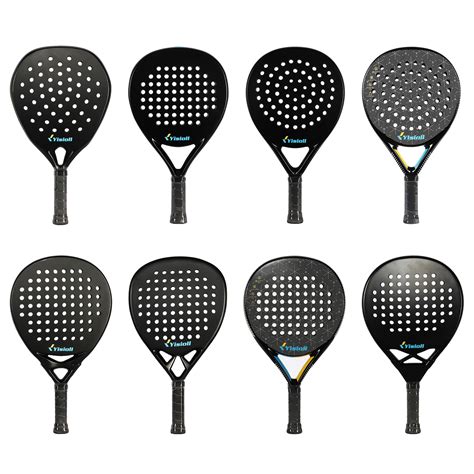
Selecting the optimal padel racket demands careful consideration of its shape and weight, as these elements fundamentally influence play style and effectiveness. Racket shapes primarily fall into three categories: round, teardrop, and diamond. Round shapes offer the largest sweet spot, enhancing forgiveness and control, ideal for beginners or strategic players. Teardrop shapes provide a balanced blend of power and control, suitable for versatile, all-court players. Diamond shapes concentrate weight towards the head, maximizing power potential for aggressive, offensive players seeking decisive smashes. Weight, typically ranging from 350 to 380 grams unstrung, directly impacts maneuverability and power transfer. Lighter rackets (350-365g) offer quicker handling and reduced fatigue, beneficial for touch play and defensive reactions. Heavier rackets (365-380g) generate more inherent power and stability on impact but require greater physical strength to wield effectively throughout a match. The interplay between shape and weight dictates the racket’s overall feel and performance characteristics, guiding players towards choices that complement their strengths and court positioning. Understanding this balance prepares players to evaluate the next critical aspect: balance points.
Understanding Balance Points
Balance point refers to how weight is distributed along the racket’s length, critically influencing its feel and behavior during play. Measured from the handle end, it determines whether the racket is head-heavy, head-light, or balanced. A head-heavy balance (higher balance point) concentrates mass towards the top of the racket face. This configuration amplifies power potential significantly, as the additional weight in the head generates more momentum during swings, making it advantageous for players seeking maximum force behind their shots, particularly drives and smashes. However, this power comes with a trade-off in maneuverability; head-heavy rackets can feel slightly slower to react at the net or during fast exchanges.
Conversely, a head-light balance (lower balance point) shifts weight towards the handle. This design enhances control and maneuverability dramatically, allowing for quicker reactions, easier volleys, and greater precision in delicate drop shots or defensive blocks. Players valuing touch, agility, and net play often prefer this balance. Balanced rackets offer a middle ground, providing a blend of moderate power and reasonable control suitable for versatile players. Choosing the right balance depends heavily on individual playing style, physical strength, and the specific demands of your game, working in tandem with the racket’s overall weight.
Material Technology Explained
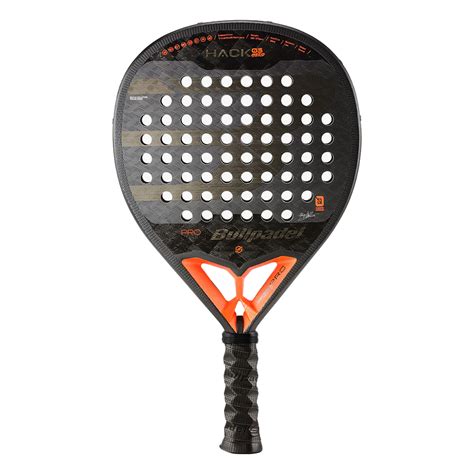
The materials used in a padel racket’s construction fundamentally dictate its playing characteristics – power, control, feel, and durability. Modern rackets primarily utilize composite materials, blending fibers like carbon fiber and fiberglass within a resin matrix. Carbon fiber offers exceptional stiffness and strength-to-weight ratio, translating to powerful shots and precise ball control, often favoured by advanced players seeking maximum responsiveness. Fiberglass provides more elasticity and flex, contributing to a larger sweet spot and enhanced vibration dampening, offering greater comfort and forgiveness, which can benefit developing players or those prone to arm strain. The core composition is equally critical; most rackets employ EVA (ethylene-vinyl acetate) foam cores. Variations in foam density (soft, medium, hard) significantly influence the racket’s feel and power output. A softer core absorbs more impact, providing a cushioned feel and greater control, while a harder core delivers more direct power transfer and pop. Understanding these material interactions helps players select a racket whose inherent properties align with their desired playing style and physical needs.
Choosing by Player Level
Selecting the right padel racket fundamentally depends on your current skill level and playing style, as different designs cater to specific needs on the court. Beginners benefit significantly from lighter rackets, typically ranging from 350g to 370g, featuring a round shape and even balance. This combination prioritizes forgiveness on off-center hits, provides ample maneuverability for learning strokes, and offers a larger sweet spot, making it easier to control the ball during rallies. As players progress to an intermediate level, often seeking more power and precision, mid-weight rackets (around 360g to 380g) become suitable. These frequently utilize a teardrop shape, offering a blend of power from the top and control through the middle, supporting the development of more aggressive shots and tactical play.
Progressing beyond the intermediate stage, advanced and competitive players usually gravitate towards heavier rackets, often exceeding 380g. These rackets commonly feature a diamond shape and a top-heavy balance. This design maximizes power generation and allows for pinpoint accuracy, demanding refined technique and strong wrist stability to handle the weight effectively. The materials also shift, incorporating stiffer carbon fiber faces and denser foam cores for explosive power transfer. Ultimately, understanding where you fit within this spectrum – focusing on ease of use, balanced performance, or maximum power and control – is crucial for finding a racket that complements and enhances your game.
Court Surface Considerations
Court surface characteristics significantly influence both ball behavior and racket performance, making it a crucial factor in your selection process. Padel courts predominantly feature artificial turf or concrete surfaces, often with sand infill impacting the texture and ball rebound. A rougher surface, typically with more sand or coarser turf, creates higher friction. This leads to a slightly lower and potentially unpredictable ball bounce, demanding a racket offering enhanced control and precision to handle the varied responses. Conversely, a smoother surface generally provides a more consistent, higher bounce, potentially allowing players to leverage a racket focused more on power generation. Furthermore, the abrasiveness of the surface affects racket durability. Frequent play on very rough courts may accelerate wear on the racket frame, particularly near the top of the head where contact with the ground during low shots is common, suggesting a more robust construction could be advantageous for longevity in such environments. Understanding your primary playing surface helps refine the balance between control, power, and durability needed in your ideal padel racket.
Making Your Final Decision
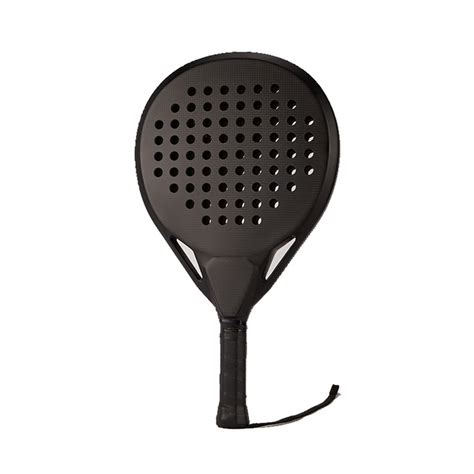
Having considered the critical factors of shape, weight, balance, materials, your playing level, and court surface, narrowing down your choice requires practical application. Prioritize physically testing the shortlisted rackets whenever possible. Visit a specialist retailer or borrow from fellow players to experience how each option feels during a swing and upon ball impact. Pay close attention to grip comfort and the overall sensation of maneuverability versus power. Does the racket feel like a natural extension of your arm during volleys and overheads? Crucially, trust your instincts regarding what feels best for your unique playing style and physical attributes. While technical specifications provide essential guidance, the ideal padel racket is ultimately the one that inspires confidence and complements your movement naturally on the court, enabling you to perform at your best.
Conclusion
Selecting the ideal padel racket is a nuanced process that directly influences your enjoyment and effectiveness on the court. This guide has navigated the essential factors – from fundamental shape and weight considerations to the intricacies of balance points and material technologies – to empower players at every level. Understanding how these elements interact, alongside your individual playing style and the specific court surfaces you frequent, is paramount. Remember that the perfect racket feels like a natural extension of your arm, enhancing control and power without compromising comfort during extended play. By carefully weighing all these aspects, as outlined in the preceding sections, you can confidently make an informed equipment choice. This deliberate selection process ensures your racket becomes a true asset, supporting your game development and maximizing your performance potential over the long term.
FAQs
What is the typical lifespan of a padel racket?
The lifespan varies significantly based on frequency of play, intensity, and storage conditions. Generally, a well-maintained racket lasts 6 to 12 months for regular players. High-quality carbon fiber frames tend to outlast fiberglass or foam core models. Always inspect for cracks, dead spots, or noticeable frame softening.
How often should I replace my padel racket grip?
Grip replacement is recommended every 1-2 months for frequent players, or when you notice reduced tackiness and shock absorption. A worn grip compromises control and increases vibration transfer. Using overgrips extends the main grip’s life and allows for more frequent, economical changes to maintain optimal feel.
Can I adjust the weight of my padel racket after purchase?
Yes, strategic customization is possible. Adding lead tape (typically 2-10 grams) to specific frame areas alters balance and swing weight. Applying tape near the head increases power potential, while tape near the handle enhances maneuverability. Experiment cautiously, as excessive modification may void warranties and affect structural integrity.
Are heavier rackets better for beginners?
Not necessarily. While heavier rackets (370-380g) offer inherent power, they demand greater swing speed and strength, potentially causing fatigue or delayed shot preparation for novices. Mid-weight rackets (360-370g) with balanced or head-light distributions generally provide a more forgiving learning experience, blending control and manageable power.
Does court surface type influence racket choice?
Indirectly, yes. Harder artificial turf or concrete surfaces generate higher ball rebound, favoring control-oriented rackets with softer cores for better touch. Softer surfaces like artificial grass may benefit from slightly more powerful rackets to compensate for lower bounce. However, player technique and style remain the primary selection drivers.