Discover how to choose your first padel racket. Learn key factors like weight, balance, shape, and materials for beginners. Make the perfect choice confidently.
Key Takeaways
Selecting your initial padel racket involves fundamental considerations that shape your playing experience. Key factors include weight distribution for maneuverability, balance points affecting swing dynamics, racket geometry influencing power zones, and material composition determining durability and feel. Beginners benefit from prioritizing control-enhancing features before advancing to specialized equipment.
Start with mid-weight rackets featuring head-light balance; they offer forgiveness during skill development while reducing fatigue.
The following overview highlights primary selection criteria:
| Factor | Performance Influence | Beginner Advantage |
|---|---|---|
| Weight | Swing speed & power transfer | Lighter (350-370g) improves control |
| Balance | Maneuverability stability | Head-light design prevents wrist strain |
| Shape | Sweet spot size | Round faces maximize contact area |
| Materials | Vibration dampening | Composite blends absorb impact |
Understanding these core attributes establishes a foundation for evaluating rackets. Subsequent sections detail how each element interacts with playing techniques, ensuring informed decisions align with individual progression goals. Remember that initial choices should accommodate learning curves rather than emulate professional specifications.
Understanding Padel Racket Basics
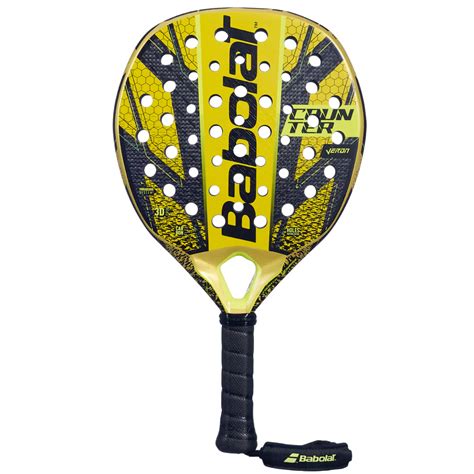
Before delving into specific features like weight or shape, familiarizing yourself with the fundamental components of a padel racket is essential. Unlike tennis rackets, padel rackets are solid, without strings, and typically feature a rounded shape with a maximum length of 45.5 cm. The main parts include the face (the hitting surface), the core (inside material affecting power and feel), the frame (outer edge providing structure and durability), and the grip (where you hold it, size adjustable with an overgrip). Understanding how these elements interact forms the foundation for making an informed choice. The materials used in the face and core, the construction of the frame, and the grip size all contribute significantly to the racket’s overall performance characteristics, such as power, control, comfort, and maneuverability. Grasping these basics provides the necessary context for evaluating the more detailed specifications covered next.
Weight Matters for Beginners
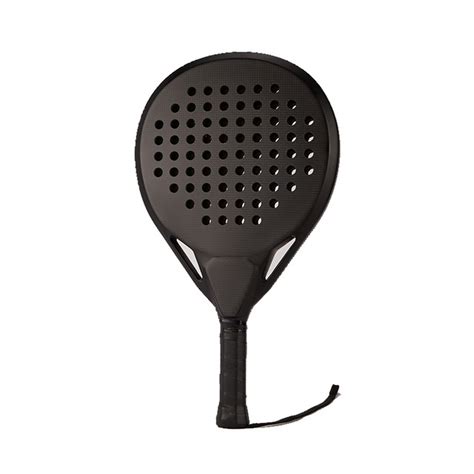
Selecting the appropriate weight for your initial padel racket is a critical decision influencing both immediate comfort and long-term development. For those new to the sport, rackets typically fall within the 280 to 350 gram range. Lighter options, generally between 280g and 300g, are highly recommended for newcomers. This lower weight significantly enhances maneuverability, making it easier to react quickly at the net and execute volleys and overhead smashes (“bandejas” and “viboras”) with greater control. It reduces strain on the arm and shoulder during longer playing sessions, helping prevent early fatigue and potential discomfort, which is essential when learning technique and building confidence. While heavier rackets (over 320g) can offer more inherent power, they demand greater strength and technique to wield effectively, often leading to slower swing speeds and reduced precision for beginners. Therefore, prioritizing a lighter racket allows new players to focus on developing proper form and ball placement without unnecessary physical struggle, creating a more enjoyable learning curve and setting a solid foundation for progression. Understanding this balance naturally leads us to consider how the racket’s weight distribution, or balance point, further impacts play.
Finding Your Ideal Balance Point
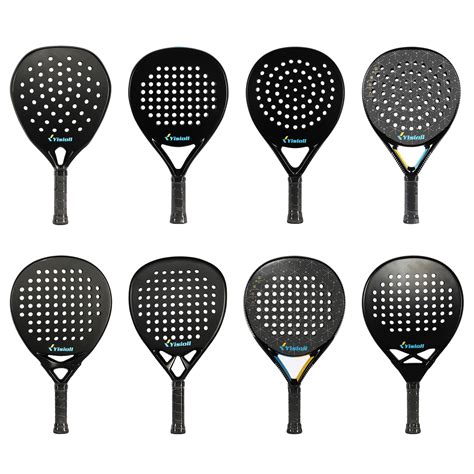
The balance point of a padel racket is closely tied to its weight and significantly influences how it feels and performs during play. Essentially, this refers to where the weight is distributed along the racket’s length, typically categorized as head-light, even, or head-heavy. For beginners, understanding this distribution is crucial for finding a racket that complements their developing technique and physical comfort. A head-light balance, where weight is concentrated towards the handle, generally offers greater maneuverability and quicker reactions at the net, making it easier to volley and control shots. Conversely, a head-heavy balance provides more inherent power behind groundstrokes but can feel sluggish to swing, potentially leading to fatigue or slower defensive play. Most beginners benefit significantly from a head-light or neutral balance. These configurations promote better control, reduce strain on the arm and wrist, and allow for faster adjustments during rallies, enabling new players to focus on shot placement and developing consistent form without the racket feeling unwieldy. This balance directly affects the size and position of the sweet spot and overall swing dynamics, naturally leading into considerations about racket shape.
Racket Shape Impact on Play
The physical shape of the padel racket head significantly influences how it performs during play, making it a critical factor alongside weight and balance. Primarily, three distinct shapes dominate the market: round, teardrop (or hybrid), and diamond. A round-shaped racket features a more centered sweet spot, offering greater forgiveness on off-center hits and enhanced control, which is particularly beneficial for beginners focusing on ball placement and consistency. Conversely, a diamond-shaped racket concentrates its weight and sweet spot towards the top of the head, generating maximum power potential for aggressive shots but demanding more precise timing and technique. Situated between these two, the teardrop shape offers a versatile blend of moderate power and reasonable control, providing a balanced option as players develop their skills. Therefore, selecting the appropriate racket profile directly affects power generation, shot control, and overall ease of use on the court.
Essential Material Choices Explained
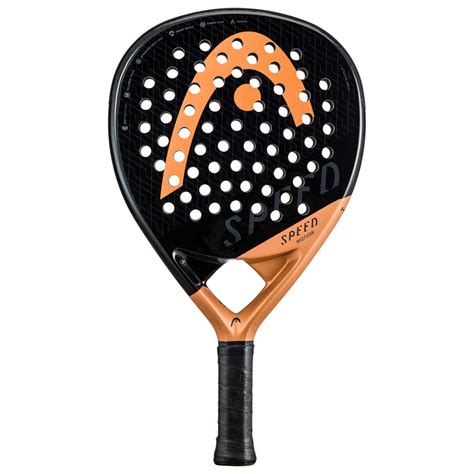
Beyond physical characteristics like weight and balance, the core materials used in a padel racket fundamentally shape its performance and feel, making this a critical consideration for new players. The internal core, typically constructed from foam (often EVA or Soft EVA), directly influences the racket’s responsiveness and power potential. Softer cores generally offer more comfort and control, absorbing ball impact effectively, while firmer cores provide greater power but demand more precise technique. Encasing this core is the frame, commonly made from fiberglass or carbon fiber. Fiberglass frames offer excellent durability and a more forgiving, controlled feel, making them highly suitable for beginners. Carbon fiber frames, while lighter and stiffer for enhanced power and precision, are less shock-absorbent and typically command a higher price point. Furthermore, the surface texture can vary from smooth to rough; a rougher surface generates more spin but may wear faster. For your first padel racket, prioritizing a fiberglass frame paired with a medium-soft EVA core offers the ideal blend of forgiveness, control, and durability to support learning and enjoyment.
Key Factors for First-Time Buyers
Selecting your first padel racket involves navigating several interconnected elements, each playing a crucial role in your initial experience and development. While understanding the basics of weight, balance, shape, and materials is essential, prioritizing the right combination for a beginner is key. Focus primarily on achieving a manageable weight that reduces strain and enhances control during those longer sessions. Equally important is finding a racket with a balanced feel, leaning towards head-light or even balance, which significantly improves maneuverability and reaction time at the net. Beginners typically benefit most from a round or teardrop shape, offering a larger sweet spot that forgives off-center hits and provides greater consistency. Finally, consider materials that offer durability and comfort; composite frames with soft core foams absorb vibration effectively, reducing the risk of discomfort like tennis elbow and making learning more enjoyable. Getting these fundamental factors aligned sets the stage for confident progression.
Selecting Your Perfect Beginner Racket
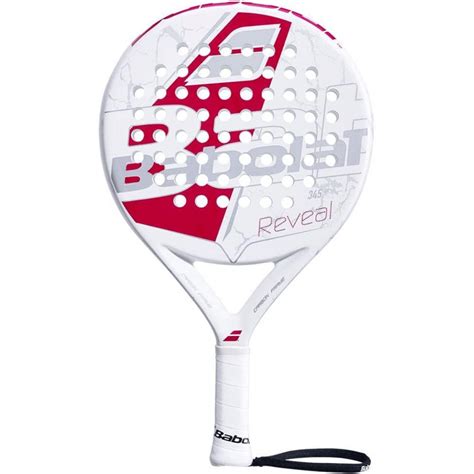
Considering the foundational elements previously discussed—weight, balance, shape, and core materials—brings you to the crucial point of selection. For your first padel racket, prioritize comfort and control above all else. Aim for a mid-weight racket, typically between 360-375 grams, which offers a manageable swing without sacrificing stability upon ball impact. A round or teardrop shape is highly recommended for beginners, as these designs provide a larger sweet spot, making off-center hits more forgiving and boosting confidence during rallies. Focus on rackets constructed with a soft EVA foam core; this material delivers enhanced ball feel and absorbs vibration effectively, reducing strain on the arm, especially during longer practice sessions. Remember, the perfect beginner racket isn’t necessarily the most advanced or expensive model; it’s the one that feels naturally balanced in your hand, facilitates learning core techniques, and encourages enjoyment on the court from the very first game.
Confidently Choose Your First Racket
Having considered the essential factors like weight, balance, shape, and materials, you’re now equipped to make a confident decision for your first padel racket. Remember that the ideal beginner racket prioritizes control and forgiveness over raw power. Focus on finding a model that feels comfortable in your hand and complements your natural playing style, even as you’re developing it. Don’t feel pressured to select the most advanced or expensive option immediately; many excellent, specifically designed beginner rackets offer the right blend of features to help you learn effectively. Trust the insights gained about how lighter weights aid maneuverability and round shapes enhance sweet spot consistency. Ultimately, choosing a racket that feels manageable and inspires confidence on court is crucial for enjoying the game and building a solid foundation as you progress.
Conclusion
Selecting your first padel racket marks an exciting step into the sport. By understanding the core elements discussed – weight influencing maneuverability and power, balance affecting control and swing feel, shape dictating sweet spot size and power distribution, and materials impacting durability and play characteristics – you gain the essential knowledge for an informed decision. Remember, the “perfect” racket for a beginner prioritizes comfort, control, and forgiveness as you develop your technique and playing style. Focus on the key factors outlined, particularly opting for a manageable weight and a shape offering a larger sweet spot. Trust that applying these fundamental considerations will lead you to a racket that enhances your initial experiences on the court, allowing you to build confidence and enjoy the game from the very first point.
FAQs
What’s the ideal price range for a first padel racket?
For beginners, focus on rackets priced between $80 and $150. This range offers durable construction with forgiving features like a softer core and balanced weight distribution, ideal for learning technique without overspending.
How do I know if the grip size is correct?
A proper grip allows your fingers to lightly touch the palm when holding the racket. If there’s significant space between fingers and palm, the grip is too large. Most beginners find a medium grip (size 4) comfortable.
Should I buy the same racket as my experienced playing partner?
Not necessarily. Advanced players often use heavier, harder rackets demanding precise technique. As a beginner, prioritize control and forgiveness over power. Choose based on the weight, balance, and shape factors outlined earlier.
When should I consider upgrading my first racket?
Consider an upgrade once you’ve consistently developed your stroke technique and feel the racket limits your control or power during rallies, typically after 6-12 months of regular play.
How do I maintain my beginner padel racket?
Wipe it down after each use, store it in a protective cover away from extreme temperatures, and avoid hitting the court walls or floor with the frame. Regularly check the grip for wear and replace it when it becomes smooth or slippery.