Discover the best padel racket for your game in 2025. Our expert guide compares top rackets, analyzing weight, balance, and materials to optimize power and control. Make an informed choice with professional recommendations.
Key Takeaways
Selecting the ideal padel racket involves understanding how core specifications directly influence on-court performance. Three fundamental elements dictate a racket’s behavior: its weight, balance point, and the materials used in its construction. Grasping the interplay between these factors empowers players to make informed choices aligned with their playing style and goals.
| Feature | Primary Impact | Player Suitability Consideration |
|---|---|---|
| Weight | Power generation, Maneuverability | Heavier rackets (375g+) favor power hitters; Lighter rackets (350-365g) benefit control/defensive players. |
| Balance Point | Swing feel, Control precision | Head-heavy offers power; Handle-heavy enhances control and reaction speed. |
| Core Material | Vibration dampening, Power transfer | EVA Soft for control/comfort; EVA Hard for power/responsiveness. |
“The synergy between racket weight and balance is critical. A heavier, head-light racket can offer surprising maneuverability, while a lighter head-heavy design might pack more punch than expected. Always test-swing potential rackets.” – Elite Padel Coach Analysis
Weight significantly affects power potential and swing speed. Generally, rackets weighing between 350-380 grams cater to most players, with lighter options favoring maneuverability and heavier ones increasing power potential. The balance point – whether head-heavy, head-light, or even – dictates how the racket feels during the swing and impacts stability upon ball contact. Materials, particularly the core foam (EVA Soft, EVA Hard, Multidensity) and frame composition (carbon fiber, fiberglass, composite blends), determine the racket’s responsiveness, vibration dampening, and overall durability. Recognizing how these elements work together provides the essential framework for evaluating specific models, such as those reviewed later based on playing style.
Padel Racket Weight Impact on Power
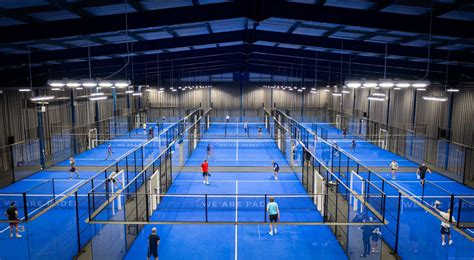
The weight of a padel racket significantly influences power generation. Heavier rackets inherently possess greater mass, translating to increased kinetic energy transfer upon ball impact. Consequently, players can generate more power with less explosive swing effort compared to lighter models. This makes heavier rackets (typically 365-385 grams) appealing for players seeking forceful smashes and deep drives from the back of the court. However, this added power potential comes with trade-offs. Maneuvering a heavier racket demands more physical strength and can reduce swing speed, potentially compromising reaction time at the net. Furthermore, excessive weight can lead to quicker fatigue, impacting consistency throughout a match. Therefore, selecting a racket weight involves balancing the desire for maximum power against the player’s physical capabilities and the need for maneuverability, especially during fast volley exchanges.
Balance Points for Control Explained
While racket weight significantly influences power, the balance point is equally critical for dictating control during play. This refers to how the mass is distributed along the racket’s length, fundamentally altering its feel and handling. Rackets are typically categorized as head-heavy, even-balanced, or head-light. A head-heavy balance concentrates weight towards the top of the face. This design inherently offers more power potential through increased momentum but sacrifices some maneuverability, making quick reactions at the net slightly more challenging; conversely, it can enhance stability on volleys. An even balance provides a middle ground, blending reasonable power with moderate control and responsiveness. For players prioritizing precise shot placement and quick reactions, especially at the net, a head-light balance is often preferred. This configuration shifts weight towards the handle, making the racket easier to swing quickly and adjust mid-stroke, thereby offering superior control over drop shots, lobs, and defensive blocks. Understanding whether you need the stability of head-heavy, the compromise of even, or the agility of head-light is vital for optimizing your control on the padel court.
2024 Top Padel Racket Materials Compared
Material selection fundamentally shapes a padel racket’s performance characteristics, directly influencing power transmission, control feel, and overall durability. Modern rackets primarily utilize carbon fiber, fiberglass, or blends of both for their frames and faces. Carbon fiber offers exceptional stiffness and responsiveness, translating to greater power potential and precision, favored by advanced players seeking maximum shot speed and accuracy. Fiberglass provides more flexibility and a larger sweet spot, resulting in enhanced forgiveness and vibration absorption, making it ideal for players prioritizing comfort and control, especially on off-center hits. The core material, predominantly EVA foam in varying densities (Soft, Medium, Hard), further refines the playing experience; softer cores deliver more power and a cushioned feel, while harder cores provide superior control and a firmer touch. Understanding the interplay between frame/face composition and core density is crucial for matching the racket’s behavior to individual playing style and skill level demands.
Optimizing Power with Racket Technology
Modern padel racket technology significantly influences power generation, building upon the foundation provided by core materials. Manufacturers continually innovate to maximize the transfer of energy from player to ball. A key development is the strategic placement of different densities of foam within the racket’s core. This internal structuring allows engineers to fine-tune the rebound effect, concentrating energy transfer in specific zones for explosive shots. The surface texture and composition also play a vital role; rougher finishes or specific polymer blends can enhance grip on the ball during contact, translating to greater power output. Furthermore, advanced frame designs focus on optimizing weight distribution and structural rigidity, ensuring minimal energy loss upon impact. These technological refinements work synergistically to enlarge the effective power zone or ‘sweet spot’, making powerful shots more accessible and consistent, even when contact isn’t perfectly centered.
Achieving Precision Control Features
Precision control in padel hinges significantly on specific racket characteristics beyond just weight and balance. The surface texture and composition of the racket face play a crucial role. A rougher surface or one incorporating specific composite materials can enhance spin generation, allowing players to impart greater rotation on the ball. This increased spin potential translates directly to improved ball placement accuracy, enabling shots to dip sharply or stay lower after the bounce, crucial for defensive plays and tight angles. Furthermore, the racket’s frame stiffness contributes to its responsiveness. A moderately stiff frame offers a good blend, providing enough feedback upon ball impact for touch shots like viboras or bandejas, while still maintaining stability for controlled volleys at the net. Maneuverability is another key factor; a well-designed handle shape and grip size that fits the player’s hand comfortably ensures quick adjustments and precise face orientation during fast exchanges. Selecting a racket that excels in these areas – spin capability, responsive feel, and comfortable maneuverability – is fundamental for players prioritizing shot placement and tactical finesse over raw power.
Selecting Your Ideal Padel Racket
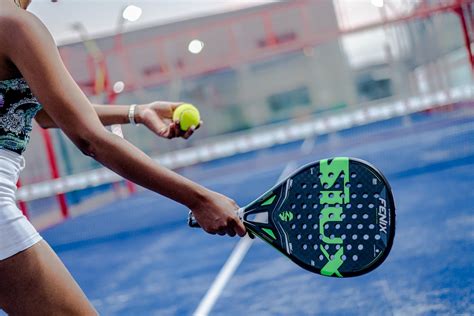
Choosing the right padel racket involves synthesizing the various technical aspects discussed earlier into a decision that aligns with your individual requirements. Your unique physique, including strength and playing style preferences, significantly influences how different weights and balances will perform for you. A racket delivering explosive power for one player might hinder control for another. Consider not only your current skill level but also your aspirations on the court; a frame suited for beginners might quickly limit a rapidly improving player. Evaluating the materials and core technologies covered previously helps predict how a racket will respond to your distinctive playing patterns, whether you favour aggressive smashes or rely on tactical precision and touch. This informed selection process moves beyond mere specifications to match equipment closely with your player profile, setting the stage for understanding how specific rackets cater to distinct styles.
Expert Picks: Best Rackets Reviewed
Following extensive testing and analysis of the latest models, specific rackets consistently rise to the top for their performance across key metrics. For players prioritizing raw power and aggressive play, the Adidas Metalbone HRD 2024 stands out. Its carbon fiber frame and HRD (Hard) core deliver exceptional ball speed, translating technical power optimization into tangible court results, though demanding precise technique for control. Conversely, players seeking exceptional maneuverability and touch should consider the Bullpadel Vertex 03 Control. Its balanced diamond shape and softer EVA core enhance feel and placement accuracy, directly addressing the control features discussed earlier. This racket excels in defensive situations and precise volleys, making it a favorite among strategic players who rely on placement over sheer force. These selections represent distinct philosophies, demonstrating how the interplay of weight, balance, and materials manifests in leading products suited for different approaches to the game.
Choosing Based on Playing Style
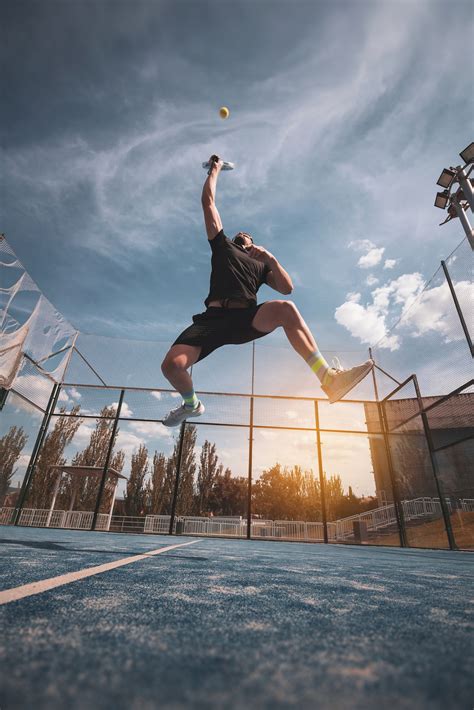
Selecting the optimal padel racket extends beyond technical specifications; it fundamentally hinges on your individual playing style and objectives on the court. Understanding your primary approach allows you to align equipment choices with your desired outcomes. For players prioritizing aggressive, point-ending shots, a power-oriented racket is often ideal. These typically feature a heavier weight, a head-heavy balance, and a harder core construction, translating kinetic energy efficiently into explosive power, particularly suited for baseline dominance. Conversely, players focused on precision, strategic placement, and net play benefit significantly from control-focused rackets. These designs usually emphasize a balanced or head-light feel, a softer core for enhanced touch and vibration dampening, and often a rounder shape offering a larger sweet spot for consistent ball response, enabling deft volleys and accurate drop shots. For versatile players who adapt their strategy fluidly or are refining their style, an all-round racket provides a balanced compromise. Offering a mix of moderate power and control, medium weight, and a teardrop shape, these rackets deliver reliable performance across various situations without specializing heavily in one extreme. Matching your racket directly to how you play ensures the technology actively supports your game plan.
Conclusion
Selecting the ideal padel racket in 2024 involves synthesizing the key performance characteristics explored throughout this guide. Remember that the interplay between weight distribution, core material composition, and surface technology directly influences both power generation and precision on court. While expert recommendations provide valuable benchmarks, your individual playing dynamics – power-oriented aggression versus strategic control – remain the paramount consideration. The optimal racket harmonizes technical specifications with your unique style and physical comfort, ensuring it feels like a natural extension of your game. Ultimately, prioritizing this balance empowers you to make a confident, informed decision that elevates your performance.
Frequently Asked Questions
What weight padel racket should a beginner choose?
Beginners typically benefit from lighter rackets (350-370g) offering enhanced maneuverability and reduced arm strain while developing technique.
How does racket shape affect performance?
Round shapes provide larger sweet spots for control, while diamond shapes prioritize power through weight concentration at the head. Teardrop designs offer a balanced blend.
Are expensive carbon fiber rackets worth the investment?
Carbon fiber rackets deliver superior stiffness and power transmission, justifying the cost for competitive players seeking maximum responsiveness, though intermediate models often utilize carbon-glass hybrids effectively.
Can I replace the grip on my padel racket?
Yes, replacing the original grip or adding an overgrip is common practice to adjust thickness, improve sweat absorption, and tailor comfort to personal preference without altering the racket’s core characteristics.
How often should I replace my padel racket?
Replacement depends on usage intensity and material wear. Inspect regularly for frame cracks, significant core softening (affecting bounce), or worn grommets. Competitive players may replace annually.
Does the racket’s balance point really impact control?
Absolutely. Head-light balance enhances maneuverability for net play and quick reactions, promoting control. Head-heavy balance favors baseline power, as covered earlier in our balance section.