Pickleball mixes exercise, socializing, and teamwork to boost health. Playing often helps your heart, strengthens muscles, and improves balance. Research shows players are 60% less likely to feel depressed. Over 90% of people in a study felt happier and less stressed. Games last about 90 minutes and can cover half your weekly workout in one go.
Key Takeaways
- Pickleball helps your heart stay healthy. It’s a fun way to stay active. Playing often makes your heart stronger and improves blood flow.
- Playing pickleball makes your muscles stronger and boosts endurance. It helps you have more energy for daily tasks.
- The game helps you become more flexible and balanced. Quick moves and stretches lower the chance of injuries and improve coordination.
- Pickleball is good for your mind. It lowers stress, eases anxiety, and makes you happier by meeting others.
- Joining a pickleball group helps you make friends. Playing with others is fun and makes you feel included.
Physical Health Benefits of Pickleball
Helping Your Heart Stay Healthy
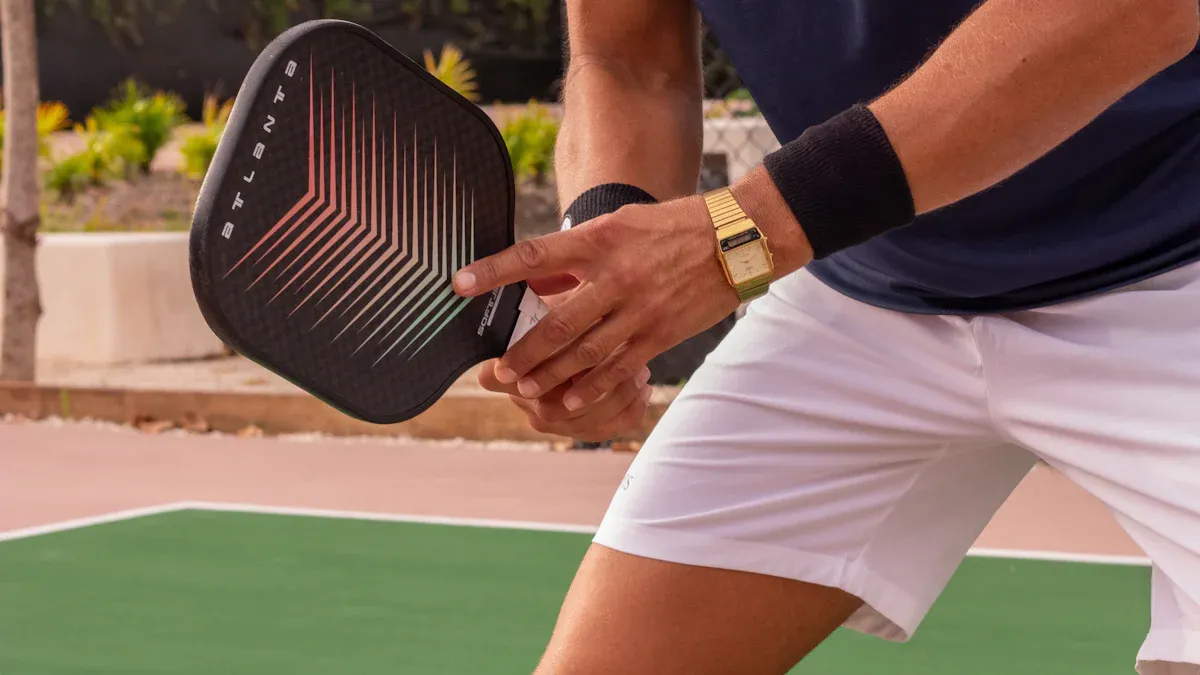
Playing pickleball is great for your heart. The game keeps you moving with running, lunging, and quick turns. This movement raises your heart rate and keeps it active. Studies show players spend over an hour in moderate to hard exercise per session. This helps your heart get stronger and improves blood flow. On pickleball days, players take about 3,000 extra steps. They also spend over 86 minutes in heart-healthy zones.
Playing pickleball often can lower heart disease risk. It also helps reduce blood pressure and improves cholesterol. This makes it a good activity for all ages.
Building Stronger Muscles and Endurance
Pickleball works your muscles in different ways. Hitting the ball strengthens your arms. Moving quickly on the court uses your legs and core. The game also needs control, which builds muscle power. Longer games test your energy and focus. This helps you recover faster and feel less tired during play.
Playing pickleball often makes your muscles stronger and boosts stamina. These changes help you play better and do daily tasks like climbing stairs or lifting bags.
Making You More Flexible and Balanced
Pickleball helps you become more flexible and balanced. Reaching for the ball and twisting your body stretches your muscles. Quick turns and steps improve your balance. These moves train your body to react better to sudden changes.
The game also improves coordination. Hitting the ball sharpens your reflexes and motor skills. Over time, these benefits help you move confidently and avoid falls or injuries.
Supporting Weight Management
Pickleball helps you stay active and manage your weight. The game involves constant movement, which burns calories. You can burn about 350 calories an hour playing. Burning calories creates a deficit, which helps with weight loss. Eating a balanced diet along with pickleball makes it more effective.
Unlike intense sports, pickleball is fun and easy to keep up. You don’t need to spend hours exercising or follow strict routines. The fast rallies and quick moves keep you active and entertained. Playing regularly can help you stay fit and maintain a healthy weight.
Tip: Play pickleball at least three times weekly for the best results. Pair it with healthy eating to see changes faster.
Reducing Risk of Injuries
Pickleball is a low-impact sport, so it’s safer than others. The small court means less running, which protects your joints. This makes it a great choice to stay active without getting hurt.
The game also improves balance and coordination, helping prevent falls. Quick moves train your body to react faster. Over time, this lowers the chance of accidents on or off the court. Lightweight paddles and slower balls reduce injury risks to shoulders and elbows.
If you’re new, start with short games to adjust your body. Warm up before playing and stretch after to stay flexible. These steps help you avoid injuries and enjoy the game safely.
Mental Health Benefits of Pickleball
Alleviating Stress and Anxiety
Playing pickleball helps lower stress and anxiety levels. The game mixes exercise with socializing, which boosts mental health. When you play, your body makes endorphins. These are chemicals that lift your mood and calm you down.
Studies show exercise like pickleball can work as well as medicine for mild depression. It helps you handle stress better and improves focus. Many players feel more relaxed and confident after playing.
Did you know? Pickleball is fun and easy to stick with. This makes it better for reducing stress than other workouts.
Here’s what research says about pickleball and stress relief:
| Findings | Description |
|---|---|
| Stress Reduction | Pickleball lowers stress and builds social connections. |
| Social Interaction | Playing with others boosts confidence and creates friendships. |
| Mental Health Benefits | The sport helps ease depression and anxiety symptoms. |
Elevating Mood and Emotional Well-Being
Pickleball doesn’t just reduce stress; it also makes you happier. Playing the game can help you feel less lonely and improve your mood. The fast pace keeps you focused, leaving no time for negative thoughts.
Making friends on the court adds to your happiness. Whether you’re playing doubles or chatting, the teamwork builds a sense of belonging. Many young players say pickleball is fun and helps them bond with loved ones. Research shows sports and friendships improve mental health.
Tip: Play pickleball twice a week to stay positive and happy.
Enhancing Cognitive Function and Memory
Pickleball helps your brain stay sharp and healthy. The game challenges your mind with quick decisions and strategies. These activities strengthen brain connections and improve thinking skills.
Studies show pickleball raises levels of BDNF, a protein that helps memory and learning. Socializing during games also lowers dementia risk and supports brain health.
Here’s how pickleball boosts your brain:
- Playing racquet sports like pickleball grows gray matter for memory.
- Regular games improve brain flexibility, keeping your mind sharp.
- Exercise reduces brain plaques and lowers the risk of memory loss.
Fun Fact: Pickleball combines physical and mental challenges, making it great for brain health as you age.
Building Social Connections
Pickleball helps you meet and connect with others. You can play doubles or join a local club. The game encourages teamwork and talking with other players. These interactions often turn into friendships off the court. Laughing, sharing tips, and winning together make bonds stronger.
Studies show pickleball builds a sense of community. In one study, over 150 players said playing reduced depression. This is because meeting people during games improves mental health. Pickleball brings people together with shared interests.
You don’t need to be an expert to enjoy this. Pickleball welcomes all skill levels, so anyone can join. Learning and improving together creates a friendly and supportive group. Over time, you’ll feel part of a fun and welcoming community.
Tip: Find local pickleball clubs or courts to meet new friends and build strong connections.
Combating Loneliness and Depression
Pickleball helps fight loneliness and depression while keeping you active. Playing often gives you a reason to go out and meet others. This lowers feelings of being alone and improves your mood. The fast-paced game keeps your mind busy, leaving no time for sad thoughts.
Research shows that pickleball is great for mental health. Players in one study felt less stressed and happier after games. It’s especially helpful for older adults, with most players aged 50 or more. Staying active and social can lift your mood and ease depression.
Pickleball is easy for anyone to join. Whether you play for fun or in tournaments, it gives you purpose and belonging. These positive experiences can make a big difference in your mental health.
Did you know? Playing pickleball twice a week can make you feel happier and more connected to others.
Accessibility and Inclusivity in Pickleball
Open to All Ages
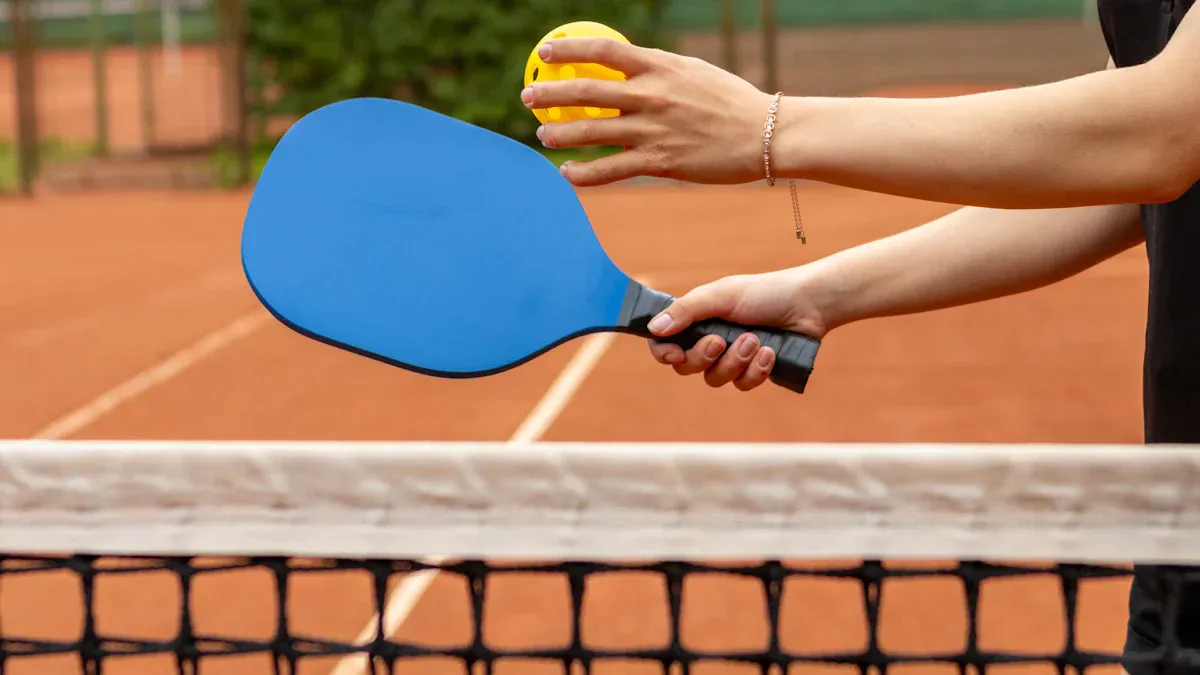
Pickleball is a sport for people of all ages. Teens, adults, and seniors can all enjoy playing. A recent study shows how inclusive it is:
| Age Range | Percentage of Players |
|---|---|
| 18-44 | Over 70% |
| Average Age | 34.8 years |
The average player is just 34.8 years old. Younger players love the fast pace, while older adults enjoy its low-impact nature. Families can play together, making it a fun way to bond across generations.
Simple for Beginners
Pickleball is easy to learn, even for first-timers. The rules are simple, so anyone can start quickly. You don’t need experience with racquet sports to join in. The friendly pickleball community welcomes new players and helps them feel at ease.
Studies show that beginners can learn the basics in a few sessions. This builds confidence and keeps them excited to play more. The game’s simplicity ensures everyone can enjoy it, no matter their skill level.
Fits Different Fitness Levels
Pickleball works for people with all fitness levels. The small court means less running, which is great for those with joint pain or limited movement. If you want a harder workout, you can play faster and more competitively.
A survey highlights this inclusivity:
| Age Group | Percentage of Participants | Key Characteristics |
|---|---|---|
| Youth (6-17) | 21% | Easy to learn, social, popular with teens |
| Young Adults (18-34) | 30% | Fun, trendy, affordable, and competitive |
| Middle-Aged (35-54) | 21% | Family-friendly, low-impact, reduces stress |
| Seniors (55+) | 28% | Joint-friendly, social, adjustable intensity |
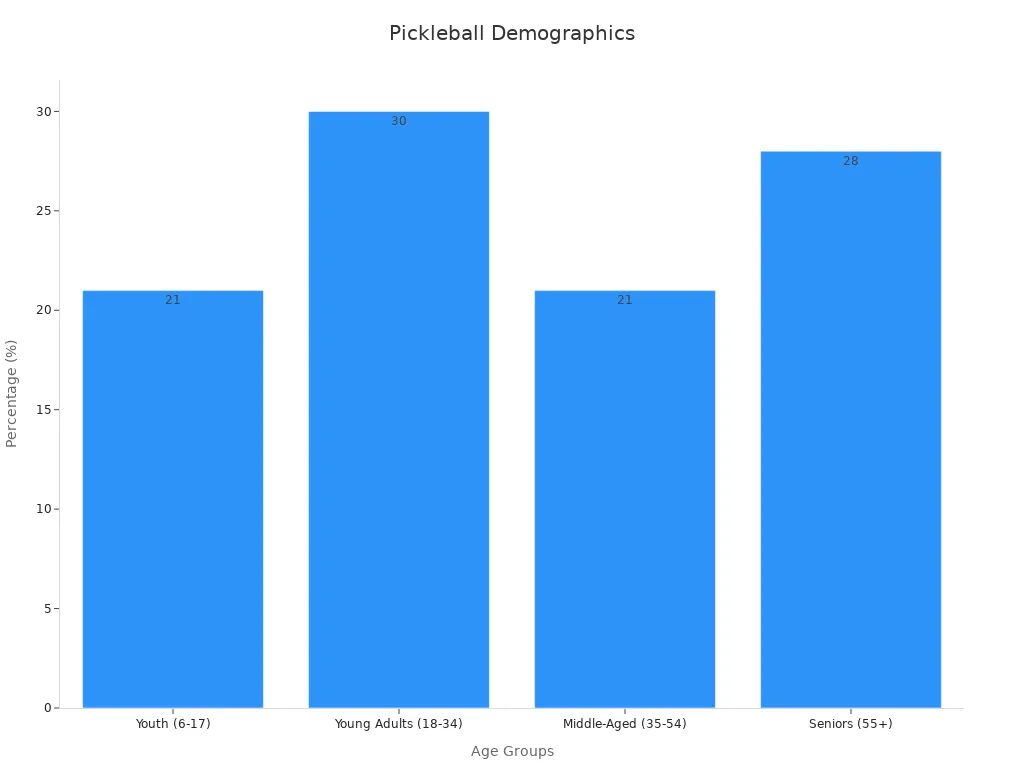
This flexibility makes pickleball a sport for everyone. Whether you want a relaxed game or a tough match, pickleball suits your needs.
Fostering a Sense of Community
Pickleball is more than just playing a game. It’s a way to meet people and make friends. You can chat with others between serves or plan moves with teammates. These small interactions create a friendly and welcoming space for everyone.
People of all ages and skill levels play together. Friendships often grow beyond the court. Pickleball encourages teamwork and helps players connect easily. Sharing the fun of the game makes everyone feel like they belong.
Did you know? Many players enjoy the social side of pickleball as much as the exercise.
A survey shows how pickleball builds strong communities:
- Players want better schedules and clear game locations.
- Organizing games helps everyone get a chance to play.
- Having fun matters more than winning, creating a happy vibe.
These points show how pickleball unites people in a fun way. The game is simple and easy for anyone to join. This ensures no one feels left out, whether new or experienced.
Joining a local club or casual games lets you meet others. Pickleball isn’t just about scoring points. It’s about making friends and enjoying time with people who love the game too.
Practical Tips for Starting Pickleball
Finding Local Courts and Clubs
Finding a place to play pickleball is simple. Use tools like Places2Play or PicklePlay to locate courts. These apps show court details, reviews, and contact information. Social platforms like Facebook and Meetup can also help. You can find groups that organize games or share hidden court locations.
If you’re unsure where to begin, check your local community center. Recreation departments often host pickleball games or know nearby clubs. Exploring these options will help you find a friendly place to start playing.
Choosing the Right Equipment
Picking the right gear makes pickleball more fun. Start with a paddle that matches your skill level. Beginners should choose paddles with thicker cores for better control. Lightweight paddles are easier to use, while heavier ones add power. Fiberglass paddles are great for new players.
Look at the paddle’s shape and handle length. Wide paddles give more control, and long handles help with two-handed backhands. Wear comfy shoes with good grip to avoid slipping. The right equipment helps you play safely and with confidence.
Learning Basic Rules and Techniques
Learning pickleball basics makes you feel ready to play. Start by understanding the court layout and how to use the paddle. Warm up with simple drills like passing the ball in a circle. Practice rules like underhand serving and keeping the ball in bounds.
Try mock games to build confidence. Focus on scoring and where to stand during practice matches. As you play, you’ll learn strategies and improve quickly. Pickleball is easy to learn, so stay consistent and have fun!
Joining Pickleball Communities
Being part of a pickleball group is more than just playing. It helps you meet others who love the game like you do. These groups give you a fun place to learn, stay active, and make friends.
Joining a group can keep you motivated to play often. Regular games and events make it exciting to stay involved. A survey found 89% of people think having a pickleball center would help their community. This shows how much players want spaces to connect and play together.
Pickleball groups also help you stay fit. Programs like Project Rally showed members added 80 extra minutes of exercise weekly. Cancer survivors in the program felt stronger and had more energy. This proves that being in a group can push you to stay healthy and active.
Another big benefit is making friends. Playing with others builds teamwork and trust. Many in Project Rally said they made new friends and felt supported by coaches. These friendships often grow beyond the court, giving you a sense of belonging and happiness.
To join a pickleball group, check out local clubs or rec centers. Most groups welcome beginners and experienced players alike. Whether you want casual games or tough matches, there’s something for everyone. Joining a group not only improves your skills but also adds joy and connections to your life.
Tip: Look for pickleball groups at your local YMCA or online. These tools can help you find a friendly group to join.
Pickleball is a fun way to boost your health. It mixes exercise, making friends, and being open to everyone. This sport is great for staying active, relaxing, or meeting people. You don’t have to be super sporty to play. Find nearby courts or clubs and give it a try. Playing pickleball can help you feel healthier and happier. All you need is a paddle to start!
FAQ
What equipment do you need to start playing pickleball?
To play pickleball, you need a paddle, a ball, and comfy shoes. Beginners should use lightweight paddles for easier handling. Many clubs or centers lend equipment, so you can try before buying.
Tip: Choose paddles with thick cores for better control when starting.
How long does a typical pickleball game last?
Most games last 15 to 25 minutes. The time depends on player skill and scoring rules. Friendly games may take longer because of breaks and chatting.
Fun Fact: Playing pickleball for 90 minutes can meet half your weekly exercise! 🏓
Can you play pickleball indoors and outdoors?
Yes, you can play pickleball both inside and outside. Indoor courts are smoother, while outdoor ones have textured surfaces for grip. Indoor balls are lighter, and outdoor balls are heavier to handle wind.
Is pickleball suitable for people with joint pain?
Pickleball is gentle on joints, so it’s great for those with joint pain. The small court means less running, and light paddles reduce strain. Always stretch and warm up to stay comfortable.
Note: If you have serious joint problems, ask your doctor before playing.
How can you find people to play pickleball with?
You can meet players at clubs, community centers, or online groups. Apps like PicklePlay or Facebook list pickleball events. Most players welcome beginners, so join in and have fun.
Emoji Tip: 🏓 Search “pickleball near me” online to find games and courts nearby.