Master essential pickleball techniques with this ultimate guide. Discover the latest core strategies to elevate your skills, dominate the court, and significantly boost your game performance.
Key Takeaways
This guide synthesizes critical techniques for immediate pickleball improvement. Mastering these core components creates a holistic skill foundation:
| Technique Category | Primary Impact Area | Strategic Advantage |
|---|---|---|
| Essential Shots | Shot Selection | Versatility in offensive/defensive plays |
| Court Positioning | Spatial Awareness | Reduced reaction time and energy conservation |
| Doubles Tactics | Partner Coordination | Exploiting opponent weaknesses systematically |
| Third Shot Drop Execution | Net Transition | Neutralizing aggressive serves |
| Serve Power & Placement | Rally Initiation | Forcing weak returns consistently |
| Advanced Dinking | Net Control | Error induction through precision |
| Defensive Lobs & Blocks | Counterattack Setup | Recovery from compromised positions |
Focusing on these interconnected elements addresses common performance gaps. Shot proficiency enables smarter positioning, while strategic serves create opportunities for decisive third shots. Doubles success hinges on synchronized court coverage and anticipation, where dinking skills become particularly decisive during extended net exchanges. Defensive techniques provide essential recovery options, completing a comprehensive competitive toolkit.
Mastering Essential Pickleball Shots
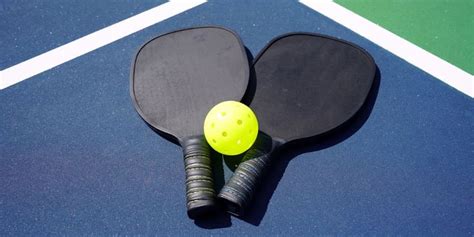
Developing proficiency in key pickleball shots forms the bedrock of competitive play. Understanding and consistently executing fundamental strokes like the serve, return of serve, groundstrokes (forehand and backhand), volleys, dinks, and the critical third shot are non-negotiable for advancing your game. Each shot serves a distinct strategic purpose: powerful serves initiate pressure, accurate returns set the rally tone, controlled groundstrokes maintain positioning, and well-placed volleys seize opportunities at the net. The dink, a soft shot landing in the non-volley zone, is essential for neutralizing aggressive opponents and setting up offensive plays. Mastering these core techniques requires dedicated practice focusing on paddle control, footwork, and shot placement rather than just power.
Consistent repetition of fundamental shots builds the muscle memory necessary for executing them reliably during fast-paced match play.
Transitioning effectively between these shots during a point is crucial. For instance, a deep return of serve can push opponents back, creating space for a subsequent dink or volley. Focusing on shot depth and placement, aiming for opponents’ feet or the sidelines, proves far more effective than attempting outright winners from difficult positions. This deliberate approach forces errors and sets up easier put-away opportunities. Proficiency in these essential pickleball shots directly enables the strategic court positioning discussed next.
Control the Court Positioning Strategy
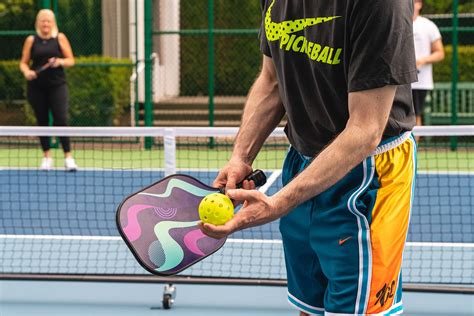
Effective court positioning is fundamental to dictating play and minimizing opponent opportunities. Unlike simply reacting, strategic positioning anticipates the ball’s trajectory and places players optimally for both offensive strikes and defensive coverage. In singles, maintaining proximity to the center line allows quicker lateral movement to cover the wider court. For doubles, partners typically operate diagonally, covering their respective sidelines and the middle zone collaboratively to prevent easy winners down the center. Crucially, controlling the net position, often termed the “kitchen line” or non-volley zone line, provides significant advantage. Players established here can intercept shots early, apply pressure with volleys and dinks, and force opponents into defensive, high shots. Consistent, small adjustment steps are vital to maintain balance and readiness, ensuring you are never caught flat-footed. Mastering these positioning principles allows players to control rallies and conserve energy.
Winning Pickleball Doubles Tactics
Success in pickleball doubles hinges significantly on seamless partner coordination and strategic court coverage, building directly upon effective positioning fundamentals. Constant, clear communication is non-negotiable; concise calls like “mine,” “yours,” or “bounce it” prevent collisions and ensure optimal shot selection. Implementing the stacking technique allows partners with specific strengths, like a dominant forehand, to cover more court efficiently, particularly during the serve and return phases. Strategic poaching, where one player aggressively crosses the centerline to intercept a shot intended for their partner, can apply immense pressure and force opponent errors, but requires pre-point understanding and trust. Crucially, maintaining the “up-together, back-together” principle ensures neither player gets isolated at the baseline while the other is at the net, minimizing vulnerable gaps. Mastering these interconnected tactics transforms two players into a cohesive unit capable of controlling the net and dictating the pace of play.
Third Shot Drop Fundamentals Explained
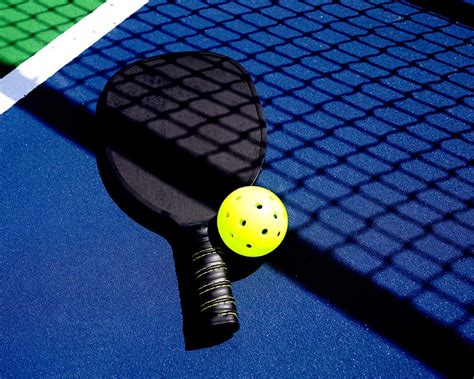
Following the serve and return, the third shot drop becomes a critical tactical element. This shot, executed from near the baseline, involves hitting the ball softly and with a high arc, aiming for it to land within the non-volley zone (the kitchen) on the opponent’s side. Its primary purpose is to reset the point. After the opponents’ return likely forces you deep, attempting a hard drive often allows them to volley aggressively from their advantageous position near the net. The third shot drop forces them to let the ball bounce, giving you and your partner crucial time to advance toward the net and establish a stronger court position alongside them.
Mastering the drop requires precise control over both paddle angle and swing speed. A slightly open paddle face and a gentle, upward brushing motion are essential to generate the necessary loft and softness. The ideal trajectory arcs high enough to clear the net comfortably (typically 5-10 feet above it) but descends steeply to land softly within the kitchen, making it difficult for opponents to attack effectively. Accuracy is paramount; a drop shot that lands too deep becomes an easy put-away, while one that hits the net or goes out hands the point away. Consistent practice focusing on touch and placement is key to transforming this defensive necessity into a strategic weapon that controls the rally’s tempo and initiates the dinking game.
Powerful Serve Techniques for Advantage
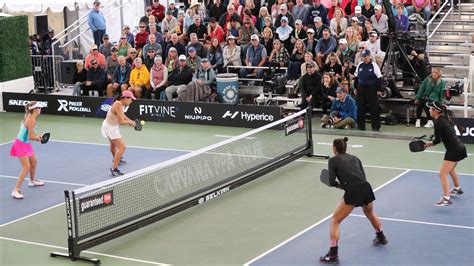
Mastering powerful serve techniques provides a critical edge in pickleball, directly influencing point outcomes and dictating the rally’s initial flow. Complementing optimal court positioning, a strategic serve forces opponents into defensive positions from the very first shot. The drive serve, executed with controlled power and topspin, aims deep into the service box, pushing receivers back and limiting their offensive options. Conversely, incorporating spin serves – topspin for a faster, dipping trajectory or slice for lateral movement – adds complexity, making returns less predictable and often weaker. Crucially, precise serve placement is paramount; targeting the opponent’s backhand side or exploiting gaps near the sideline or baseline forces difficult returns. Consistently landing deep serves, especially beyond the kitchen line, significantly reduces the receiver’s time to react and set up an effective third shot, granting the serving team an immediate tactical advantage estimated to contribute to winning over 70% of points when executed well. This initial pressure sets the stage for controlling the net and capitalizing on subsequent shots.
Advanced Dinking Skills Development
Mastering the soft game, particularly advanced dinking, is crucial for controlling the pace and winning extended rallies at the net. This phase of play demands exceptional touch and strategic placement rather than power. Focus on developing a consistent, low dink that arcs just over the net and lands deep within the non-volley zone, often called the kitchen. Aim for the opponent’s feet or the middle transition area between players to create uncertainty and force weak returns. Practicing varied spin – incorporating both backspin to keep the ball low and sidespin to make it skid unpredictably – significantly increases the difficulty for your opponents. Crucially, maintain patience; resist the urge to attack a high dink unless it’s clearly attackable, as impatience often leads to unforced errors. Effective dinking requires constant small adjustments in paddle angle and soft hands to absorb pace, turning defensive positions into offensive opportunities by drawing opponents out of position or eliciting a pop-up. Consistent execution transforms the dink from a neutral shot into a dominant weapon.
Defensive Lobs and Blocks Mastery
Transitioning smoothly from dinking exchanges, mastering defensive lobs and blocks becomes crucial when under pressure near the non-volley zone line. A well-executed defensive lob is not merely a high shot; it requires precise depth and height, ideally landing deep in your opponent’s court, forcing them back and creating vital recovery time for you and your partner. Aim to clear the outstretched paddles of opponents at the net by several feet, giving the ball ample time to descend steeply near the baseline. Conversely, the block shot is your primary tool against hard-driven balls, especially powerful slams or fast volleys aimed at your feet. Unlike a swing, effective blocking relies on a stable, slightly angled paddle face held firmly in front of your body. The goal is absorption and redirection, using the opponent’s pace against them to place the ball softly back over the net, ideally into the kitchen, neutralizing their attack and resetting the point. Consistent practice of these defensive pickleball techniques, focusing on paddle control and minimal backswing for blocks and controlled power for lobs, prepares players to handle aggressive plays effectively.
Elevate Your Game Performance Now
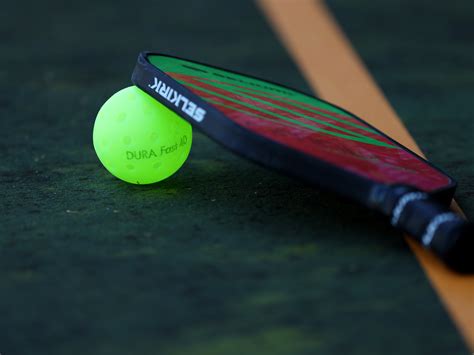
Integrating mastered skills into consistent, high-level performance requires deliberate focus beyond individual shots or tactics. Consistent success hinges on effectively combining technical execution with strategic awareness and physical conditioning during actual match play. Start by establishing clear performance metrics tailored to your goals, whether improving serve accuracy percentages, reducing unforced errors, or increasing successful third-shot drops. Regularly analyze match footage or partner feedback to identify specific areas needing refinement. Physical preparation is equally crucial; prioritize dynamic warm-ups, agility drills, and sustained cardiovascular fitness to maintain sharp reactions and court coverage throughout demanding games. Mental resilience, including managing pressure points and maintaining focus after mistakes, directly impacts point outcomes. Dedicate practice sessions to simulating high-pressure scenarios to build composure. Furthermore, tactical adaptability is key; learn to quickly assess opponents’ weaknesses and adjust your strategy mid-game, shifting between aggressive drives and patient dinking rallies as needed. Consistent hydration and nutrition also support sustained energy levels, preventing late-match performance drops. By systematically addressing these interconnected elements—technical, tactical, physical, and mental—players can achieve significant, measurable improvements in their overall competitive results.
Conclusion
Having explored the essential techniques, strategic positioning, and tactical nuances that define modern pickleball, it’s clear that elevating your game hinges on consistent practice and mindful application. Mastering the powerful serve, the crucial third shot drop, precise dinking exchanges, and effective defensive shots like blocks and lobs forms a comprehensive skill set. Integrating these techniques seamlessly with intelligent court positioning and communication, particularly in doubles play, transforms isolated skills into a winning strategy. True progress comes not just from knowing what to practice, but understanding how and when to deploy these skills under pressure during actual match play. Dedicate time to refining each component, focus on strategic shot selection, and commit to continuous learning; this deliberate approach is the ultimate pathway to unlocking your full potential and achieving sustained improvement on the court.
Frequently Asked Questions
What type of pickleball paddle is best for beginners?
Beginners benefit most from a mid-weight composite paddle offering a balanced blend of power and control, aiding in shot development without excessive vibration. Avoid overly heavy or specialty paddles initially.
How long does it typically take to become proficient at pickleball?
Proficiency varies significantly based on prior racket sport experience and practice frequency. Players dedicating 2-3 sessions weekly often grasp core techniques like the third shot drop and basic dinking strategy within 3-6 months.
Are there specific rules for serving in pickleball that impact strategy?
Yes, the underhand serve must be hit below the waist with an upward arc, and both feet must be behind the baseline. This influences serving strategy, emphasizing placement and consistency over raw power to avoid faults.
What’s the most common mistake players make at the kitchen line?
The frequent error is volleying balls while moving forward into the non-volley zone (kitchen), resulting in a fault. Players must establish position before hitting a volley or let the ball bounce if entering the zone.
How crucial is communication in doubles pickleball strategy?
Communication is paramount. Partners must clearly call shots (“Mine!”, “Yours!”), signal intended formations (stacking), and discuss serving/receiving tactics pre-point to avoid collisions and ensure optimal court coverage.