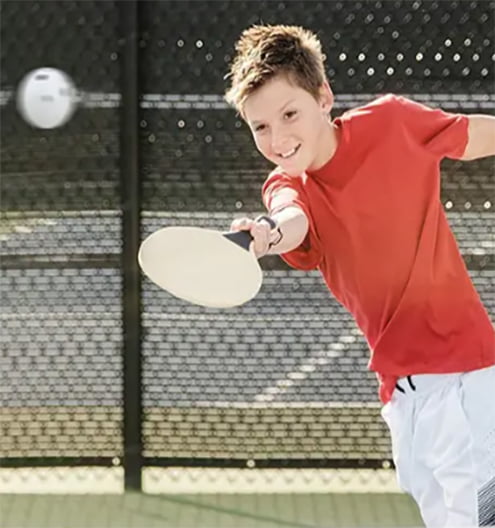
Padel, a sport that has been rapidly gaining popularity around the world, combines elements of tennis, squash, and badminton. Played on a smaller court with walls, padel offers a fast-paced and exciting experience for players of all skill levels. At the heart of this sport is the padel racket, a crucial piece of equipment that can significantly impact a player’s performance. In this blog post, we’ll explore the latest trends, technological advancements, and tips for choosing the perfect padel racket.
The Rising Popularity of Padel
Padel has experienced explosive growth in recent years, with millions of players worldwide. This surge in popularity can be attributed to several factors. Firstly, padel is a highly accessible sport. It requires less space than tennis, making it easier to build courts in urban areas. Additionally, the rules are relatively simple to understand, allowing beginners to quickly get into the game. The social aspect of padel also plays a significant role in its popularity. It is often played in doubles, providing an opportunity for friends and family to bond while enjoying a sport.
As the sport grows, so does the demand for high-quality padel rackets. Manufacturers are constantly innovating to meet the needs of players, resulting in a wide range of rackets with different features and technologies.
Key Components of a Padel Racket
Frame
The frame of a padel racket is the outer structure that holds the strings and gives the racket its shape. It is typically made of materials such as carbon fiber, fiberglass, or a combination of both. Carbon fiber is a popular choice due to its high strength-to-weight ratio, making the racket lightweight yet durable. Fiberglass, on the other hand, offers more flexibility, which can be beneficial for players who prefer a softer feel.
String Bed
The string bed is the network of strings that covers the head of the racket. The type of strings used can affect the power, control, and spin of the racket. There are two main types of strings: natural gut and synthetic. Natural gut strings are made from the intestines of animals, usually cows or sheep. They offer excellent feel and power but are more expensive and less durable. Synthetic strings, on the other hand, are made from materials such as nylon or polyester. They are more affordable, durable, and come in a variety of types, including multi-filament, monofilament, and hybrid strings.
Grip
The grip is the part of the racket that the player holds. It is important to choose a grip that is comfortable and provides a good hold. Grip sizes are measured in inches, and players should choose a size that fits their hand comfortably. There are also different types of grips available, including overgrips, replacement grips, and tacky grips. Overgrips are thin, absorbent materials that are placed over the existing grip to provide additional comfort and moisture absorption. Replacement grips are thicker and are used to replace the original grip on the racket. Tacky grips are designed to provide a more secure hold, especially in wet conditions.
Latest Trends in Padel Rackets
Shape and Design
In recent years, there has been a trend towards more aerodynamic and ergonomic racket designs. Teardrop-shaped rackets, for example, have become increasingly popular as they offer better maneuverability and a larger sweet spot. The sweet spot is the area on the racket face where the player can hit the ball with maximum power and control. A larger sweet spot makes it easier for players to hit consistent shots, especially for beginners.
Another trend in racket design is the use of bold colors and unique graphics. Manufacturers are using eye-catching designs to make their rackets stand out on the court. This not only adds to the aesthetic appeal of the racket but also allows players to express their personal style.
Weight and Balance
The weight and balance of a padel racket can have a significant impact on a player’s performance. In general, lighter rackets are more maneuverable, making them suitable for players who rely on quick movements and defensive play. Heavier rackets, on the other hand, offer more power, making them ideal for players who have a more aggressive playing style.
The balance of a racket refers to the distribution of weight between the head and the handle. Head-heavy rackets have more weight in the head, which can increase power but may reduce maneuverability. Head-light rackets, on the other hand, have more weight in the handle, making them more maneuverable but potentially reducing power. Players should choose a racket with a weight and balance that suits their playing style and physical capabilities.
Technological Advancements in Padel Rackets
New Materials
Manufacturers are constantly exploring new materials to improve the performance of padel rackets. One such material is graphene, a form of carbon that is incredibly strong and lightweight. Graphene is being used in the construction of racket frames to increase strength and stiffness while reducing weight. This results in a racket that is more powerful and more maneuverable.
Another new material that is being used in padel rackets is foam. Foam cores are being used in some rackets to improve the feel and power of the racket. The foam core helps to absorb shock and vibration, resulting in a more comfortable and controlled shot.
Vibration Dampening Technologies
Vibration can be a problem for players, especially those who play frequently. Excessive vibration can cause fatigue and discomfort in the hands and arms, and can also affect the player’s ability to control the racket. To address this issue, manufacturers are using a variety of vibration dampening technologies in their rackets.
One such technology is the use of vibration dampeners. These are small rubber or silicone inserts that are placed in the string bed or the frame of the racket. Vibration dampeners work by absorbing and dissipating the energy of the vibration, reducing the amount of vibration that is transmitted to the player’s hand.
Another vibration dampening technology is the use of shock-absorbing materials in the grip. Some grips are made with materials that are specifically designed to absorb shock and vibration, providing a more comfortable and controlled grip for the player.
Choosing the Right Padel Racket for You
Skill Level
Your skill level is one of the most important factors to consider when choosing a padel racket. Beginners should look for a racket that is easy to use and forgiving. A racket with a larger sweet spot, a lighter weight, and a more flexible frame is ideal for beginners. As you progress and improve your skills, you may want to consider a racket that offers more power and control.
Playing Style
Your playing style is another important factor to consider when choosing a padel racket. If you are an aggressive player who likes to hit powerful shots, you may want to choose a heavier racket with a head-heavy balance. If you are a more defensive player who relies on quick movements and precise shots, a lighter racket with a head-light balance may be more suitable.
Budget
Padel rackets can range in price from a few dozen dollars to several hundred dollars. It is important to set a budget before you start shopping for a racket. While it is true that more expensive rackets often offer better quality and performance, there are also many affordable rackets on the market that can meet the needs of most players. Look for a racket that offers a good balance of quality and price.
Caring for Your Padel Racket
String Maintenance
The strings of your padel racket are an important part of the racket’s performance. Over time, the strings can become worn, lose tension, or break. To keep your strings in good condition, it is important to check them regularly for signs of wear and tear. If you notice any fraying or damage to the strings, it is time to replace them.
It is also important to maintain the proper tension in your strings. The tension of the strings can affect the power, control, and spin of the racket. If the strings are too loose, the racket may feel sluggish and lack power. If the strings are too tight, the racket may be difficult to control and may cause more vibration. The recommended tension for your strings will depend on the type of strings you are using and your personal preferences.
Frame Protection
The frame of your padel racket is also vulnerable to damage. To protect the frame, it is important to avoid hitting the racket against the walls or the ground. If you do accidentally hit the racket against something, check it for any signs of damage. If you notice any cracks or dents in the frame, it is important to have the racket repaired as soon as possible.
You can also protect the frame of your racket by using a racket cover. A racket cover will help to keep the frame clean and free from scratches and dents. It will also provide some protection against impacts.
Grip Replacement
The grip of your padel racket is another part of the racket that will need to be replaced over time. The grip can become worn, dirty, or slippery, making it difficult to hold the racket comfortably. To replace the grip, you will need to remove the old grip and then apply a new one. There are many different types of grips available, so you can choose one that suits your personal preferences.
Conclusion
Choosing the right padel racket is an important decision that can have a significant impact on your performance on the court. By considering factors such as your skill level, playing style, and budget, you can find a racket that is perfect for you. It is also important to take care of your racket by maintaining the strings, protecting the frame, and replacing the grip when necessary. With the right racket and proper care, you can enjoy the game of padel to the fullest.
Remember, the world of padel rackets is constantly evolving, with new trends and technologies emerging all the time. So, stay informed, try out different rackets, and find the one that helps you take your game to the next level.