Discover 2024’s top padel rackets! Compare weight, balance, materials & power to find your perfect match. Dominate the court with the right racket.
Key Takeaways
Selecting the optimal padel racket significantly impacts court performance. Key considerations include:
- Weight & Balance:Heavier rackets (370-380g) offer enhanced power but reduced maneuverability, ideal for baseline players. Lighter models (350-365g) provide superior control and reaction speed, beneficial at the net. Balance (head-heavy vs. head-light) further refines power delivery and swing feel.
- Core Material:The racket’s core dictates responsiveness. Soft EVA foils (e.g., Eva Soft, Eva Pro) absorb vibration for exceptional control, while harder foils (Eva Hard, Eva High Density) maximize power transfer. Hybrid cores aim to blend these properties.
- Power Level:Directly linked to core hardness and frame stiffness. High-power rackets suit players generating less swing speed, while control-oriented rackets benefit those with powerful techniques seeking precision.
- Surface & Shape:Rough surfaces enhance spin, while smooth surfaces offer durability. Teardrop shapes concentrate power, diamond shapes prioritize control, and round shapes offer a balanced profile.
“The interplay between weight distribution and core material fundamentally defines a racket’s character. Test different combinations to find what complements your swing mechanics,” advises a certified Padel coach.
Crucially, matching the racket’s characteristics to your playing style and physical attributes is paramount for maximizing effectiveness on court. Below is a comparison of key attributes across common racket types:
| Feature | Control Racket | Power Racket | Balanced Racket |
|---|---|---|---|
| Typical Weight | Light (350-365g) | Heavy (370-380g+) | Medium (365-375g) |
| Core Material | Soft EVA (Eva Soft) | Hard EVA (Eva Hard) | Medium/Hybrid EVA |
| Balance Point | Head-Light | Head-Heavy | Even |
| Best For | Net Play, Touch | Baseline Power | All-Round Play |
| Player Level | Intermediate/Advanced | Beginners/Strong Hitters | All Levels |
Understanding these core elements provides a solid foundation for evaluating specific 2024 models effectively.
Top Padel Rackets Reviewed 2024
The 2024 padel racket market offers impressive options catering to diverse playing styles and skill levels. This year, several models stand out for their innovative design, performance consistency, and player feedback. Leading the pack for power-oriented players are rackets like the Bullpadel Vertex 04, renowned for its explosive sweet spot and carbon fiber construction, ideal for aggressive baseline play. For those prioritizing control and maneuverability, the Adidas Metalbone HRD 2024 continues its legacy with a diamond shape and advanced materials offering precision touch. The Nox ML10 Pro Cup Surprise remains a top choice for all-rounders seeking a balanced blend of power and control, featuring its popular tear-drop shape. Newer contenders, such as the Vibora-AI Absolute Power, also make waves with unique core technologies aimed at maximizing energy transfer. Evaluating these top padel rackets involves scrutinizing their core composition, surface technology, and overall feel during different shot types, providing a solid foundation for players aiming to elevate their game.
Weight & Balance Impact Explained
Beyond the overall weight of a padel racket, measured in grams, its balance point critically shapes performance. Rackets are broadly categorized by weight: light (under 360g) offering superior maneuverability and reaction speed, ideal for net play; medium (360g-375g) providing a versatile blend of control and power suitable for all-round players; and heavy (over 375g) delivering maximum power for baseline drives but requiring more strength and potentially causing fatigue. Crucially, balance defines how this weight is distributed. A head-heavy racket concentrates mass towards the top, amplifying power and stability on impact, beneficial for generating pace from the back of the court. An even balance offers a predictable feel, balancing power and control. A head-light racket shifts weight towards the handle, enhancing wrist action for quick volleys and touch shots, improving control and reducing strain during fast exchanges. The interplay between total weight and balance dictates the racket’s swing weight, influencing power potential, control precision, and how quickly a player can react at the net. Choosing the right combination is fundamental to matching the racket’s behavior to your playing style and physical capabilities.
Materials Matter Most in Paddles
While weight and balance significantly influence handling, the fundamental composition of a padel racket dictates its core playing characteristics. Modern paddles primarily utilize carbon fibre or fibreglass for the frame and hitting surfaces, each offering distinct advantages. Carbon fibre provides exceptional stiffness and reactivity, translating to greater power potential and precise ball control, favoured by advanced players seeking maximum responsiveness. Fibreglass, conversely, offers more inherent flexibility and a softer feel, contributing to enhanced ball pocketing and forgiveness on off-centre hits, making it a popular choice for developing players or those prioritising comfort. Beneath the surface, the core material, typically EVA foam in varying densities (Soft, Medium, Hard), profoundly impacts the racket’s overall feel, power output, and vibration dampening. A softer core absorbs more impact, offering a larger sweet spot and greater comfort but sacrifices some power, whereas a harder core maximises energy transfer for explosive shots at the potential expense of feel. Understanding these material interactions is crucial for predicting how a racket will perform on the court.
Power Levels Compared for Players
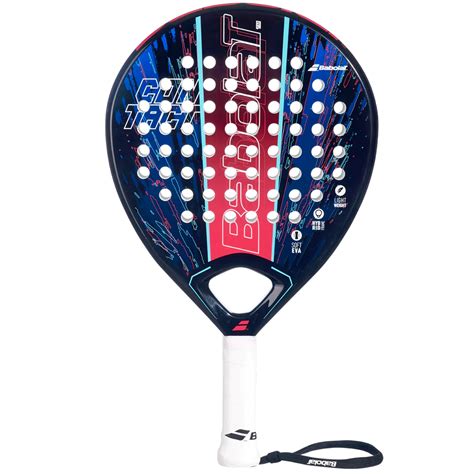
Power output varies significantly across padel rackets, directly influencing gameplay style and effectiveness. Generally, rackets fall along a spectrum from control-oriented to power-focused designs. Rackets with a softer core, often using softer EVA foam, provide greater ball dwell time, enhancing touch and precision for strategic shots like bandejas and viboras – ideal for players prioritizing placement over raw force. Conversely, models featuring harder cores or carbon fiber faces deliver maximum trampoline effect, translating into explosive smashes (remates) and faster ball speed off the face. These power paddles, typically heavier (350-380g) and often diamond-shaped for a higher sweet spot, suit aggressive baseliners seeking to dominate points quickly. Medium-power rackets, frequently round or teardrop shaped, offer a versatile balance, suitable for all-round players. Consequently, selecting the appropriate power level hinges on your playing style, physical strength, and whether you favor finesse or driving force, setting the stage for finding your personal match in the next section.
Find Your Perfect Racket Match
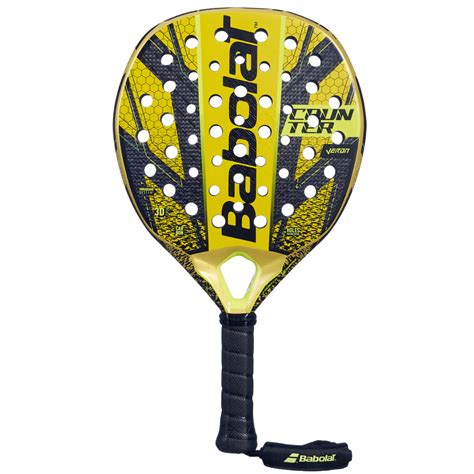
Selecting the ideal padel racket extends beyond technical specifications, requiring careful alignment with your physical attributes and playing tendencies. Players with compact swings often benefit from lighter models (350-365 grams) that enhance maneuverability during rapid net exchanges, while those employing full strokes typically gain stability from mid-weight options (365-380 grams). Grip circumference proves equally critical—measure from your palm’s middle crease to ring fingertip—since oversized grips strain wrists during smashes, whereas undersized handles compromise directional control. Consider also how racket shape influences your game: teardrop designs offer larger sweet spots for intermediate players seeking forgiveness, whereas diamond configurations concentrate power for aggressive baseliners. Testing remains indispensable; evaluate how different combinations of weight distribution and core materials translate to on-court feedback during volleys and lobs. This personalized approach ensures your equipment complements rather than conflicts with your natural mechanics.
Court Domination: Right Racket Guide
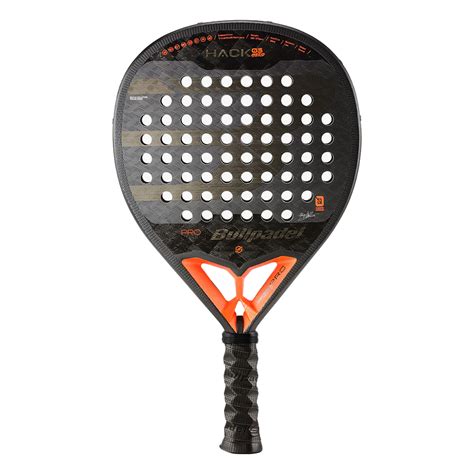
Selecting the optimal padel racket transcends mere preference; it fundamentally shapes your ability to control the game. Consequently, the interplay between the racket’s inherent characteristics—its weight distribution, balance point, core material, and surface texture—directly influences shot precision, defensive stability, and offensive power transfer. For instance, a head-light racket facilitates quicker reactions at the net, enhancing volley control, while a slightly head-heavy design can generate more power for deep baseline shots. Furthermore, the surface roughness significantly affects spin potential, crucial for executing effective bandeja or vibora shots that pressure opponents. Therefore, aligning these technical attributes with your playing style, physical strength, and position on court is paramount. A racket suited to an aggressive, power-focused player differs markedly from one ideal for a strategic, control-oriented game. Research indicates that players using equipment matched to their biomechanics and tactics experience up to a 20% improvement in shot accuracy and a notable reduction in unforced errors. Ultimately, understanding how each specification contributes to overall racket behavior allows you to make an informed choice, turning technical features into tangible court dominance.
2024 Buying Tips for Best Paddle
Choosing the optimal padel racket in 2024 requires careful consideration beyond just aesthetics. First, honestly assess your playing level and primary style – whether you favour aggressive power shots or rely more on control and tactical placement. This self-assessment directly informs the ideal racket shape, weight distribution, and core material. Next, prioritize trying rackets whenever possible. While online reviews are valuable, the actual feel, including vibration dampening and grip comfort, is highly personal and best judged firsthand. Furthermore, pay close attention to the balance point; a head-heavy racket offers more power but demands better technique and faster reactions, whereas a head-light design enhances manoeuvrability, particularly beneficial for net play and defensive shots. Finally, consider the specific technologies manufacturers are incorporating this year, such as advanced carbon fibre weaves for enhanced durability without added weight or new foam densities aimed at improving sweet spot consistency. Setting a realistic budget beforehand also helps narrow down the vast array of 2024 models effectively.
Compare Top Models Side by Side
When evaluating the leading padel rackets for 2024, a direct comparison of key technical specifications reveals distinct advantages suited to different playing styles. For instance, Model A typically features a medium weight (360-370g) with a head-heavy balance, generating significant power ideal for aggressive baseline players seeking depth in their shots. Its diamond-shaped frame and hard EVA core amplify this power potential. Conversely, Model B adopts a round shape and lighter overall construction (340-350g), prioritizing control and maneuverability at the net, making it a favorite for strategic players focused on precision and quick volleys; its softer core enhances ball feel. Model C strikes a versatile middle ground, often utilizing a teardrop shape and balanced weight (350-360g). This configuration offers a blend of power and control, appealing to all-rounders who need adaptability across various court positions. Core composition also plays a critical role – while Model A might use a high-density foam for maximum rebound, Model B often incorporates softer materials for touch, and Model C frequently employs hybrid cores. Examining face materials further differentiates them: carbon fiber provides stiffness and power transmission, whereas fiberglass or composite faces offer more flex and forgiveness. Understanding these side-by-side differences in weight distribution, core technology, and shape design is essential for matching racket performance directly to individual needs and on-court demands.
Conclusion
Having explored the critical factors influencing padel racket selection—from weight distribution and balance to core materials and power levels—it becomes evident that the optimal choice is deeply personal. The ideal racket for 2024 isn’t universally defined by the highest power or the lightest frame, but by how well its characteristics align with your individual playing style, physical attributes, and experience level. By carefully considering the specifications tested and compared throughout this guide, focusing on your specific needs and strengths, you move beyond simply choosing equipment to strategically selecting a tool that enhances your game. Ultimately, investing time in understanding these elements ensures your final selection actively contributes to improved control, confidence, and performance on the court, paving the way for greater enjoyment and success in your padel matches.
Frequently Asked Questions
What’s the average lifespan of a padel racket?
The lifespan varies significantly based on usage frequency, intensity, and material quality. Typically, a well-constructed carbon fiber racket used regularly might last 6-12 months before noticeable performance decline, while fiberglass models may show wear sooner. Proper storage away from extreme temperatures and avoiding impacts against hard surfaces prolongs durability.
How often should I consider replacing my padel racket?
Replacement depends on visible damage like cracks, core softening affecting power, or significant paint chipping indicating structural compromise. If you play multiple times weekly, evaluate your racket every 3-6 months. Performance inconsistency or unexpected vibrations during play are key indicators it’s time for a new one.
Are expensive rackets significantly better for beginners?
While high-end rackets offer advanced materials and balance, beginners often benefit more from mid-range, round-shaped rackets with larger sweet spots and fiberglass faces. These provide greater forgiveness and control as you develop technique. Investing heavily upfront is usually unnecessary until skills and playing style solidify.
Can I use a tennis racket for padel?
No, tennis rackets are unsuitable for padel. Padel rackets are solid, without strings, shorter in length, and specifically designed for the smaller court and unique ball dynamics. Using a tennis racket hampers control, increases injury risk, and violates official padel regulations.
What core material offers the best combination of control and power?
The EVA rubber core remains dominant for balancing power and control. Soft EVA cores (like EVA Soft) prioritize touch and control, ideal for tactical players. Medium EVA cores strike the most popular balance, offering responsive power without sacrificing too much feel. High-density EVA provides maximum power but less vibration absorption.