
Discover essential padel racket features, materials, and technologies. Learn how grip size, weight, and balance impact your game. Get expert selection tips for optimal power and control to elevate your paddle tennis performance.
Key Takeaways
Understanding the fundamental characteristics of padel rackets is crucial for selecting the right equipment and enhancing your game. This overview highlights the essential elements covered in this guide, providing a foundation for deeper exploration. Key aspects include the core technical specifications influencing performance, such as the racket’s shape and surface texture, alongside the critical role of material composition in determining durability and feel. Performance is significantly dictated by the interplay of weight distribution and balance point, affecting maneuverability and power generation. Furthermore, selecting the correct grip size is paramount for comfort, injury prevention, and shot execution. Ultimately, the choice involves balancing the often-competing demands of power and control based on individual playing style and skill level. These takeaways set the stage for detailed discussions on each feature.
| Table: Core Padel Racket Characteristics at a Glance | Feature | Primary Impact on Gameplay | Key Consideration |
|---|---|---|---|
| Weight | Power vs. Maneuverability | Heavier for power, lighter for speed/control | |
| Balance | Swing feel & Sweet Spot Location | Head-heavy for power, head-light for control | |
| Grip Size | Comfort, Control, Injury Prevention | Must fit hand comfortably; affects wrist action | |
| Shape | Sweet Spot Size & Power Potential | Round (control), Diamond (power), Teardrop (mix) | |
| Core Material | Ball Feel & Shock Absorption | Soft foam (control), hard foam (power) | |
| Surface Material | Durability, Power & Spin Potential | Fiberglass (control/feel), Carbon Fiber (power) |
Key Padel Racket Features Explained
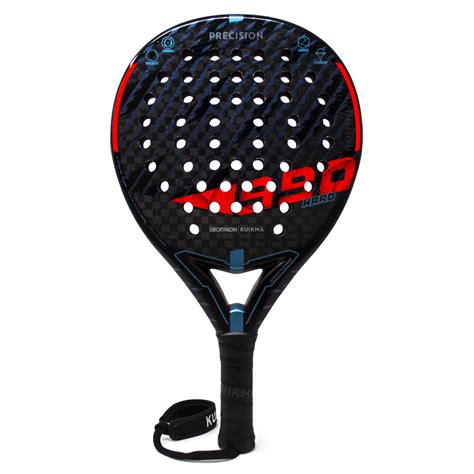
Mastering padel begins with understanding your racket’s core characteristics. Five fundamental elements dictate performance: material composition, weight distribution, balance orientation, grip circumference, and the power-control equilibrium. Material choices like carbon fiber or fiberglass influence durability and vibration dampening, while weight (typically 350-380 grams) affects swing speed and fatigue resistance. Balance manifests as head-heavy (power-focused) or head-light (maneuverability-oriented), directly altering shot dynamics. Grip circumference must match hand size to prevent strain and optimize wrist action.
“A balanced racket with medium weight often suits intermediate players best, allowing adaptable shot selection without sacrificing control.”
These interconnected features form a synergy that tailors equipment to individual playstyles. Heavier frames generate more power but demand stronger technique, whereas lighter versions enhance reaction speed at the net. The subsequent sections explore each feature’s technical nuances, providing actionable insights for informed selection. Remember that grip comfort remains paramount—discomfort during play often signals improper sizing.
Material Technologies in Rackets
Moving beyond basic shape and design, the core performance characteristics of a padel racket are fundamentally dictated by the materials used in its construction. Modern rackets leverage advanced composite technologies to achieve specific playing properties. The frame face is typically constructed from carbon fiber, fiberglass, or a blend of both. Carbon fiber offers exceptional stiffness and responsiveness, translating to greater power and precision, often seen in higher-end models like those incorporating 12K or 24K carbon for enhanced durability and feel. Fiberglass provides more flexibility and a larger sweet spot, promoting forgiveness and control, making it popular for intermediate players seeking consistency. Sandwiched between these outer layers lies the core, predominantly made from EVA foam in varying densities. Soft EVA cores absorb more impact, offering superior comfort and control, while harder EVA cores maximize power transfer and responsiveness. The choice of materials directly influences weight, balance, and the overall feel upon ball contact, making material selection a critical factor alongside weight and balance when choosing the optimal racket.
How Weight Affects Your Game
Racket weight is a fundamental factor influencing your on-court experience. Typically measured in grams and ranging from roughly 250 to 380 grams, the weight you choose directly shapes maneuverability and power generation. Lighter rackets, generally below 340 grams, offer significant advantages in swing speed and reaction time, making them ideal for players focused on net play, quick volleys, or those seeking reduced strain on the arm and shoulder during extended matches. Conversely, heavier rackets, often above 360 grams, provide greater inherent power and stability upon ball impact. This translates to more forceful drives and smashes with less effort from the player, beneficial for baseline rallies or those with a naturally powerful swing technique. However, this added power comes at the cost of requiring more physical strength to wield effectively and can lead to fatigue faster, potentially slowing reaction times. Furthermore, the weight distribution interacts significantly with the racket’s overall balance point, a topic explored next. Selecting the optimal weight involves honestly assessing your physical strength, playing style preference, and typical match duration to find the sweet spot between control and power.
Balance Impact on Performance
Beyond static weight, the distribution of that weight – the racket’s balance – fundamentally shapes on-court dynamics. Rackets typically fall into three categories: head-heavy, even-balance, or head-light. A head-heavy racket concentrates mass towards the top, generating significant power with less swing effort, ideal for players seeking forceful smashes and drives from the baseline. However, this configuration can feel less maneuverable at the net and may cause fatigue during extended defensive rallies. Conversely, a head-light racket shifts mass towards the handle, enhancing wrist speed and maneuverability for quick volleys, reaction shots, and intricate touch play near the glass. This promotes control but often requires more player-generated power for deep shots. An even-balance racket offers a compromise, providing a blend of stability, power potential, and reasonable maneuverability. The chosen balance directly influences swing speed, stability upon ball impact, and the overall feel during different strokes. Players prioritizing net dominance and quick reactions often favor head-light designs, while baseline power hitters may lean towards head-heavy, with all-rounders frequently opting for even balance to cover various situations effectively.
Choosing Proper Grip Size
Selecting the correct grip size is a critical physical characteristic often overlooked after considering weight and balance. An improperly sized grip can significantly hinder performance, causing discomfort and reducing shot accuracy. The correct size allows for optimal wrist action and stability during play. To determine your ideal grip size, measure the distance from the tip of your ring finger to the second horizontal line on your palm; this length in millimeters corresponds to the grip circumference you need. Standard sizes typically range from small (circumference ~100-103mm) to medium (~104-107mm) and large (108mm+).
A grip that’s too small forces you to squeeze harder, leading to premature fatigue and potential elbow strain, while diminishing control over the racket face. Conversely, a grip that’s too large restricts wrist mobility and snap, limiting your ability to generate spin and react quickly at the net. Most players find a medium grip offers the best compromise, but personal preference and hand size are paramount. Remember, an overgrip can add approximately 2mm to the circumference, offering a way to fine-tune the feel slightly if needed for enhanced comfort and security.
Power Versus Control Selection
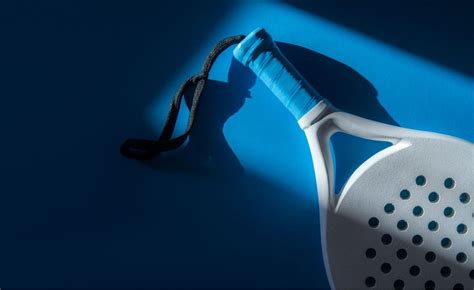
Selecting a padel racket fundamentally involves balancing power potential against control precision, a choice heavily influenced by its inherent design characteristics. Rackets designed for maximum power typically feature a thicker frame, often constructed with stiffer carbon fiber materials. This stiffness efficiently transfers energy from the swing into the ball, generating greater rebound speed and depth, particularly advantageous for players favoring aggressive baseline play or powerful smashes. The sweet spot on power-oriented models also tends to be larger, offering more forgiveness on off-center hits.
Conversely, rackets prioritizing control exhibit a thinner frame profile and frequently incorporate softer core materials like EVA foam. This construction enhances feel and allows for superior ball placement, spin generation, and touch shots, especially near the net. The sweet spot, while potentially smaller, provides heightened feedback and accuracy. Control-focused designs often have a more rounded shape and may include textured surfaces to further aid spin. Ultimately, the ideal selection depends on individual playing style: power rackets suit aggressive players seeking winners, while control rackets benefit tactical players relying on placement and consistency. Understanding this core trade-off is essential for matching equipment to your game objectives.
Expert Racket Buying Guide
Selecting the ideal padel racket requires balancing technical specifications with personal playing characteristics. Consider your dominant playing style first: power-oriented players typically benefit from tear-shaped rackets with foam cores, while control-focused athletes often prefer diamond-shaped designs featuring harder cores. Your physical attributes matter equally; players with arm sensitivity should prioritize lighter models under 360 grams, whereas stronger individuals might explore heavier options for increased stability. Always verify grip comfort through practical testing—your smallest finger should fit snugly between fingertips and palm when gripping the handle. Reputable brands often provide demo programs, allowing you to evaluate vibration transmission and swing responsiveness before committing. Remember that professional players frequently carry multiple rackets tailored to different court conditions, highlighting the importance of context-specific selection.
Optimizing Padel Performance Tips
Mastering the nuances of your padel racket significantly elevates your on-court execution. Understanding how the features discussed earlier translate into real-world application is key. Selecting the appropriate racket weight, for instance, directly influences swing speed and fatigue; a lighter frame (350-360g) offers greater maneuverability for volleys and reaction shots, while a heavier model (370-385g) provides more inherent power for drives and smashes, demanding better physical conditioning. The balance point further refines this; head-heavy rackets amplify power potential, especially useful from the back of the court, whereas head-light designs enhance control and quick reactions at the net, making them ideal for defensive specialists or aggressive net players. Crucially, ensure your grip size allows for a secure, comfortable hold without excessive tension, enabling precise wrist action for spin and delicate touch shots. Regularly reassessing these factors as your technique evolves ensures your equipment consistently complements your playing style and maximizes your potential.
Conclusion
Selecting the ideal padel racket involves understanding how its core characteristics—material composition, weight distribution, balance point, and grip size—interact to influence court performance. Ultimately, the choice between prioritizing power or control depends significantly on individual playing style and technical proficiency. By carefully considering how each factor impacts shot execution, maneuverability, and comfort, players can make a more informed decision tailored to their specific needs. This informed selection process directly contributes to optimizing overall performance and enjoyment during play, ensuring the equipment acts as a true extension of the player’s capabilities.
FAQs
What’s the ideal padel racket weight for beginners?
Beginners typically benefit from rackets weighing between 360-375 grams. This weight offers a good compromise between power and control, making it easier to maneuver and learn proper technique without excessive strain. As players advance, they can explore lighter or heavier options based on their playing style and physical strength.
How often should I replace my padel racket grip?
Replace your grip every 2-3 months with regular play, or immediately if it becomes slippery or loses cushioning. A fresh grip ensures optimal shock absorption and prevents the racket from twisting in your hand during shots, directly impacting control and comfort on the court. Always choose a grip size that feels secure and allows slight finger movement.
Can a racket’s balance really change how I play?
Absolutely. Head-heavy rackets generate more power but are slower to maneuver, favoring aggressive players. Evenly balanced rackets offer versatility for all-around play. Head-light rackets provide superior control and quicker reactions at the net, ideal for defensive or tactical players seeking precision over raw power.
Does racket material affect durability and performance?
Yes, significantly. Carbon fiber frames offer maximum stiffness, power, and durability but at a higher cost. Fiberglass provides more flexibility and vibration dampening, enhancing comfort and control, often at a more accessible price point. The core material (EVA foam variants) influences the racket’s feel and sweet spot size. Higher density foams generally offer more power.